Designation
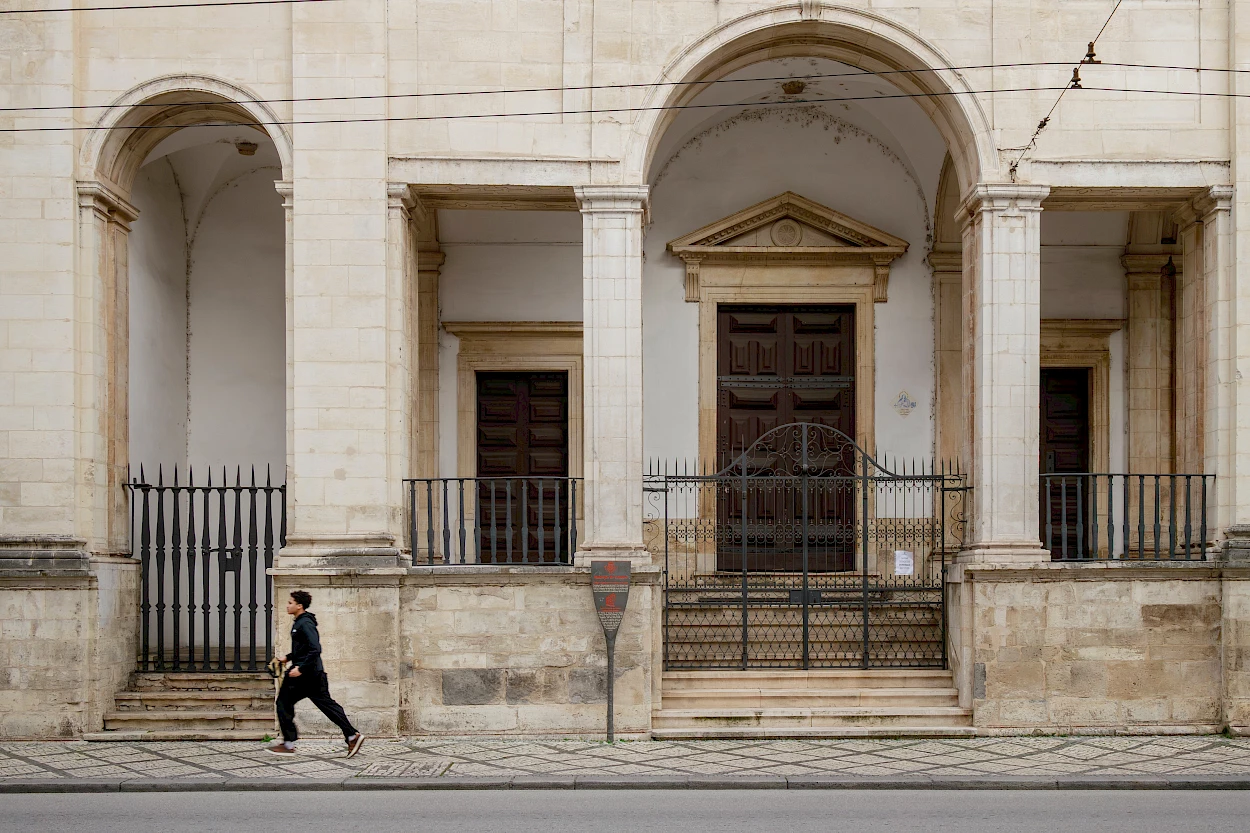
Carmo College
Ocupação atual
Home for the elderly and unsheltered (Third Order)
Propriedade
Third Order of Saint Francis
Art-historical characterisation
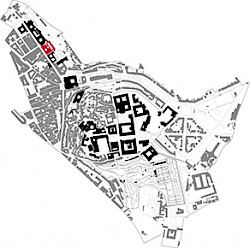
The Colégio do Carmo was founded in 1540 by Bishop Baltasar Limpo, bishop of Oporto, so that the clerics of the Oporto diocese could study at the university, which had shortly before been transferred to Coimbra.
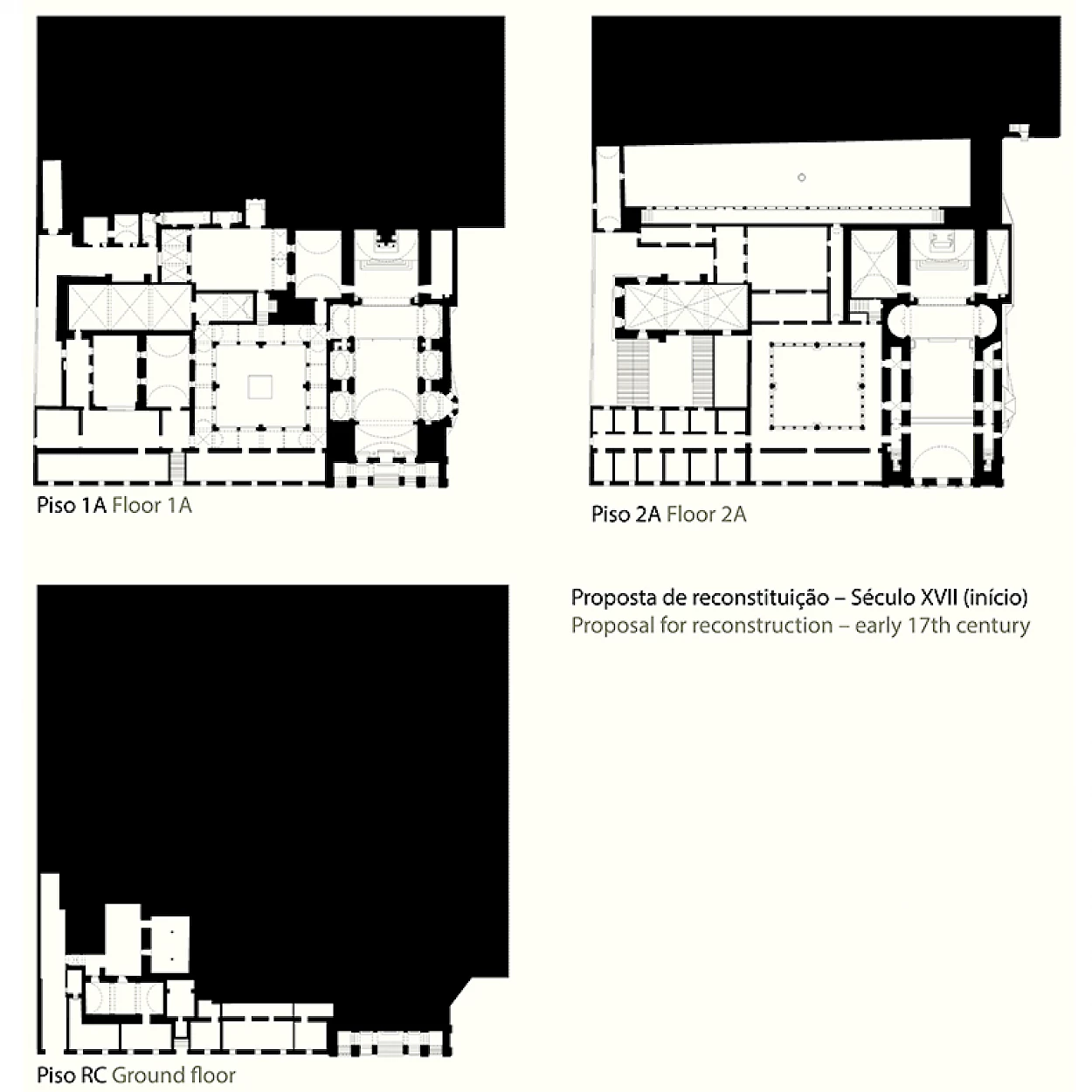
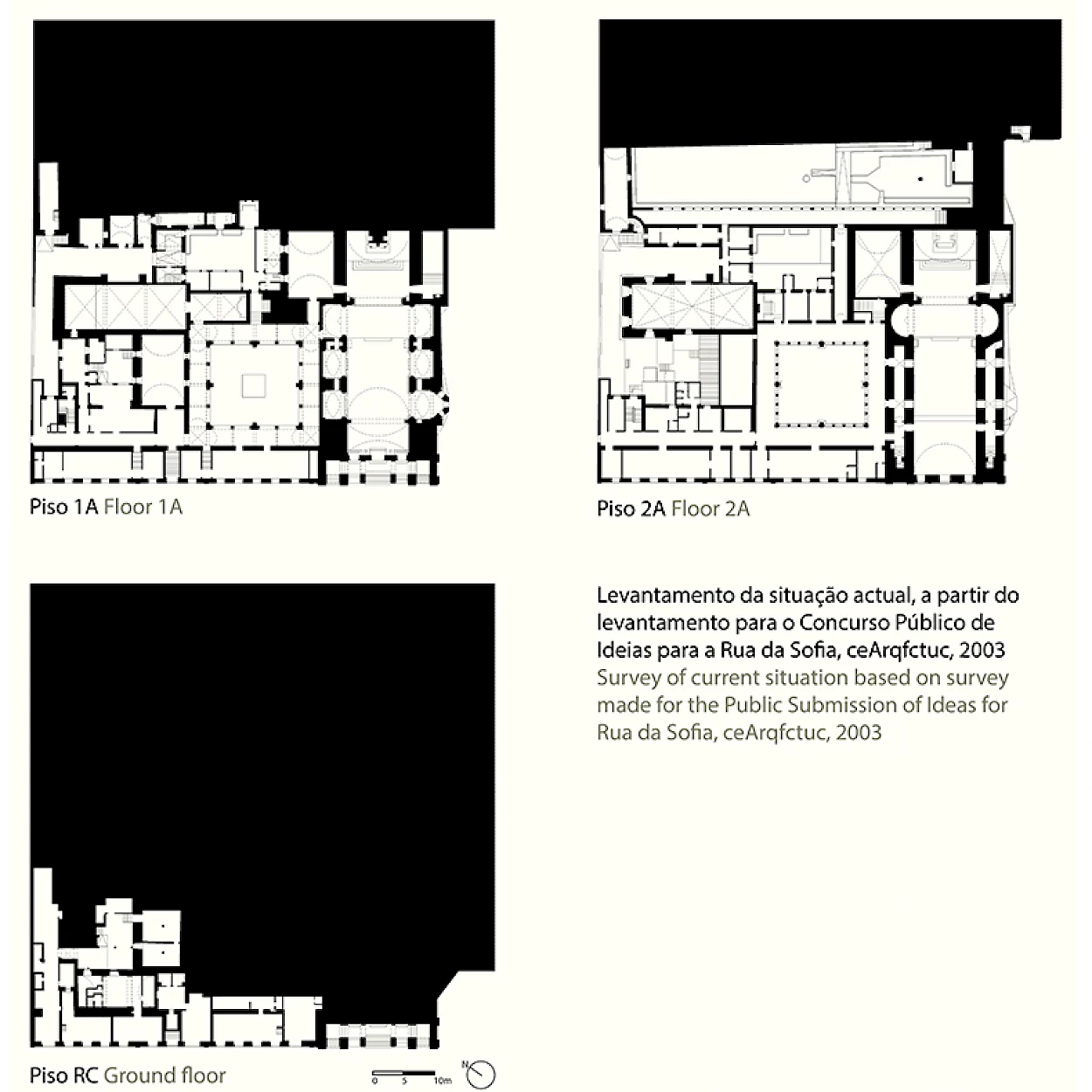
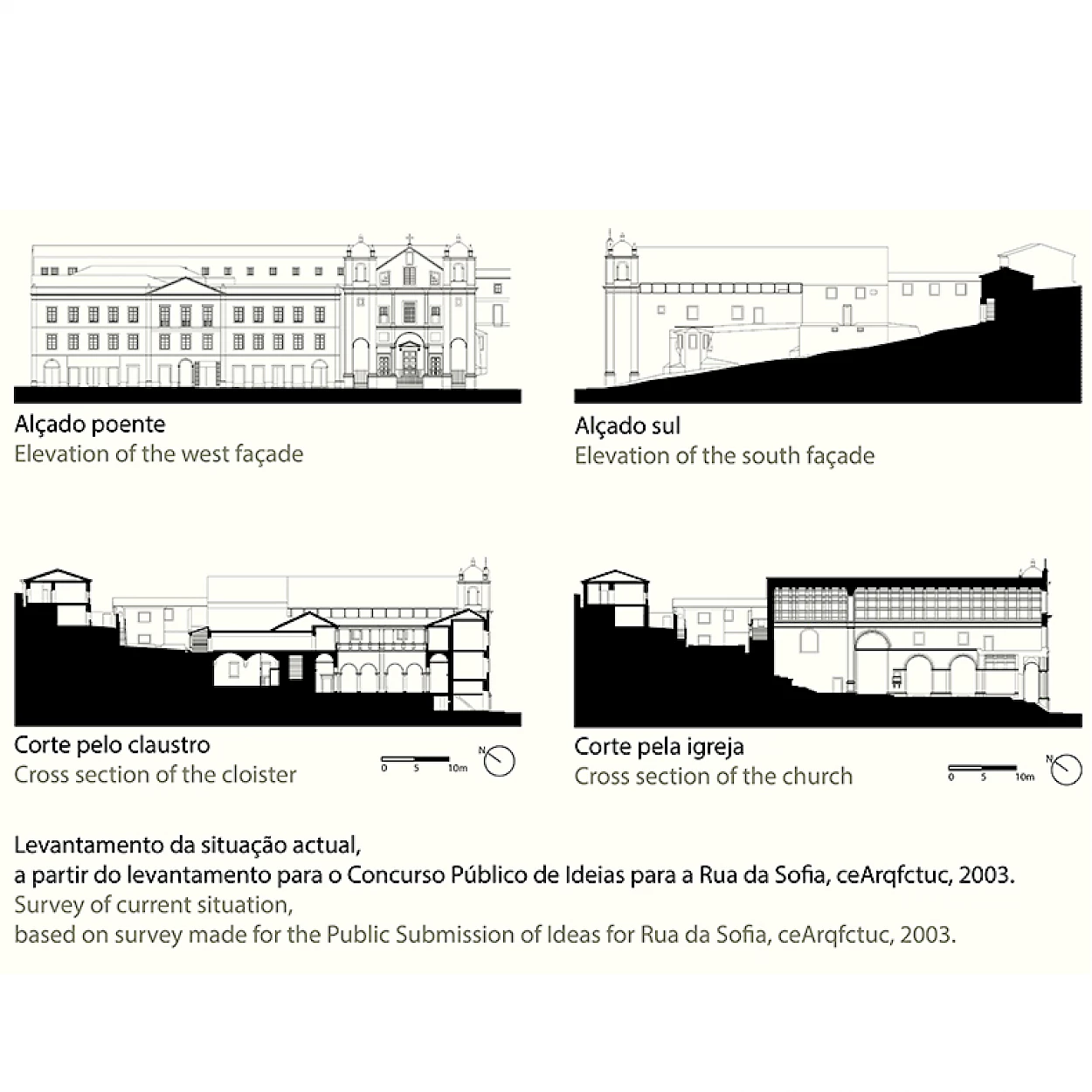
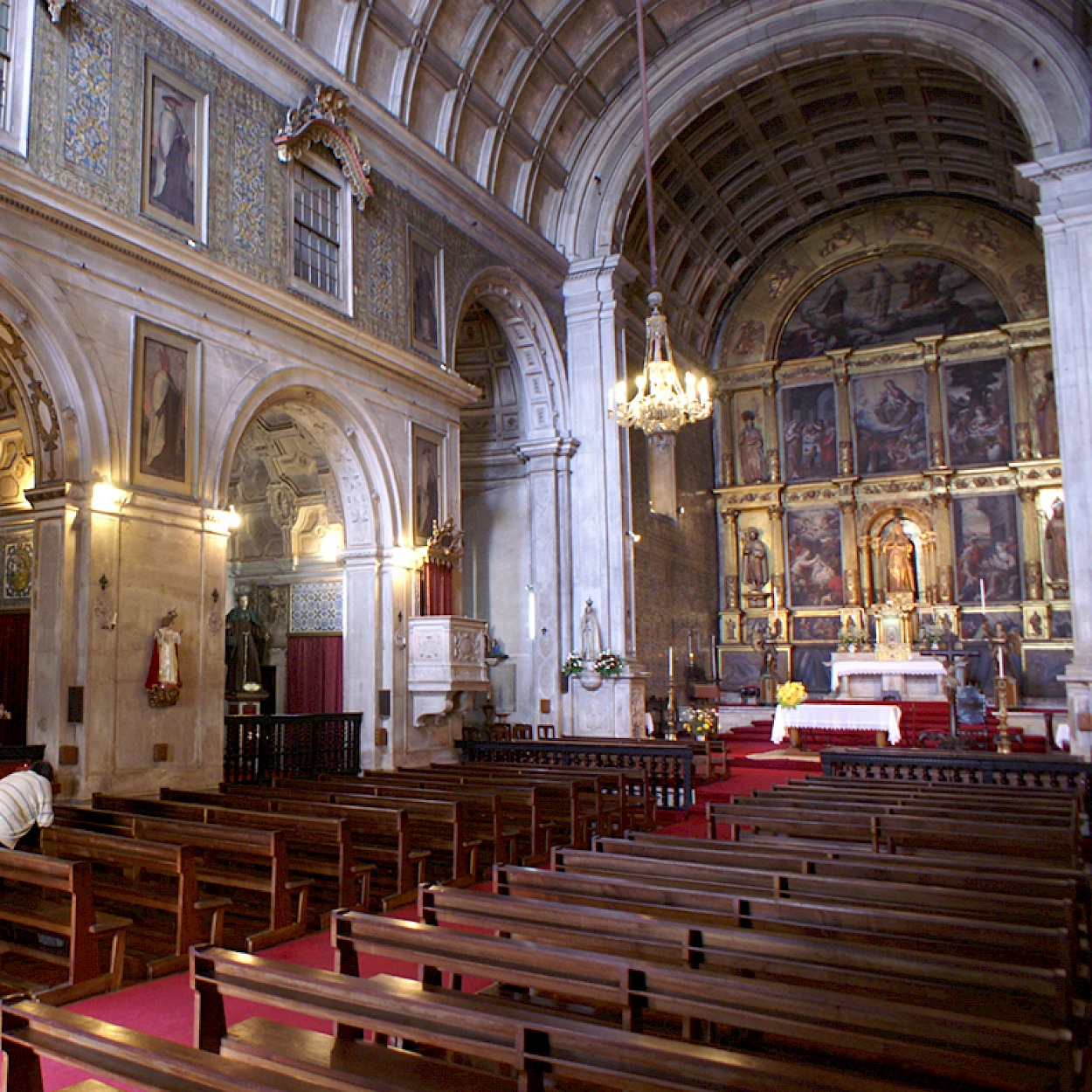
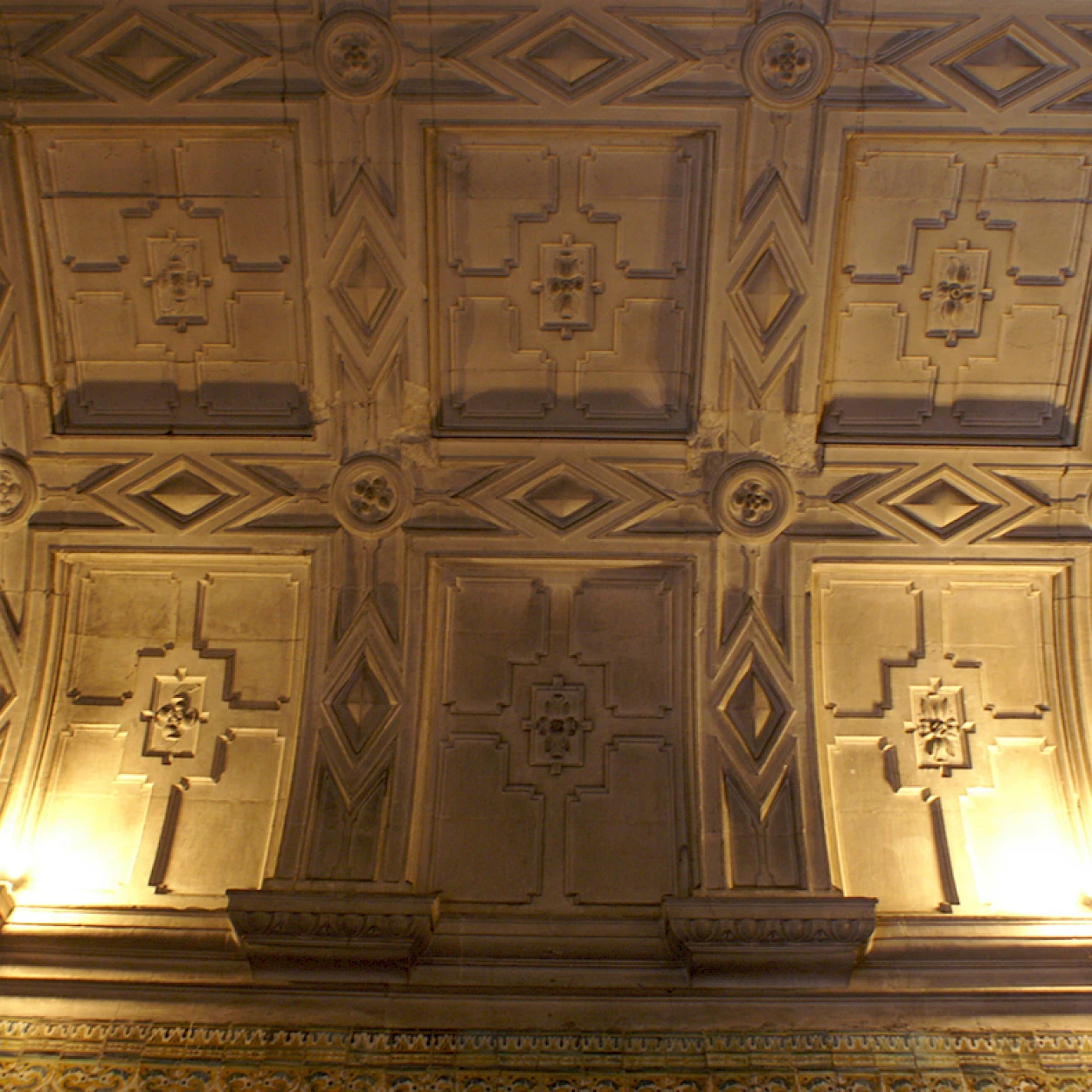
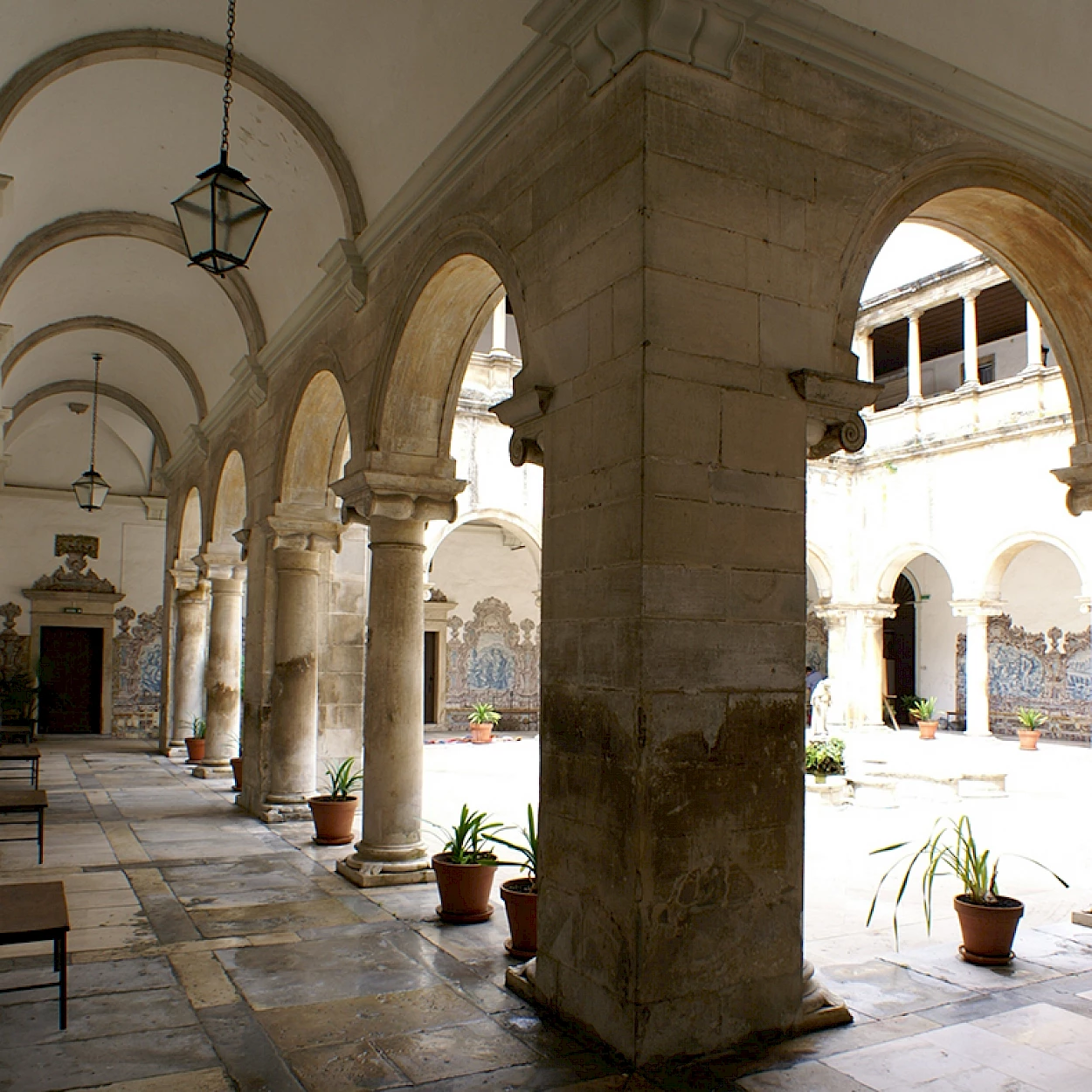
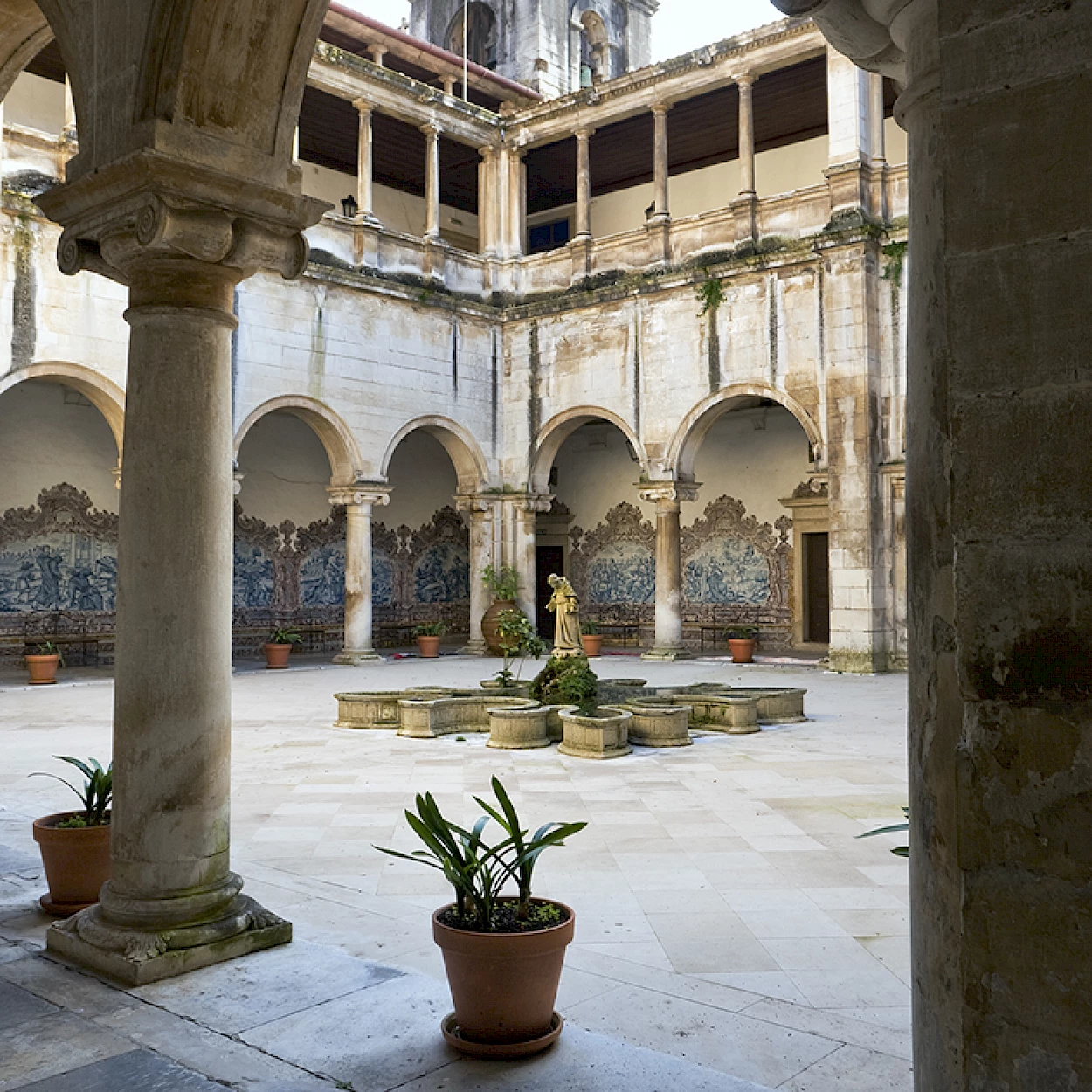
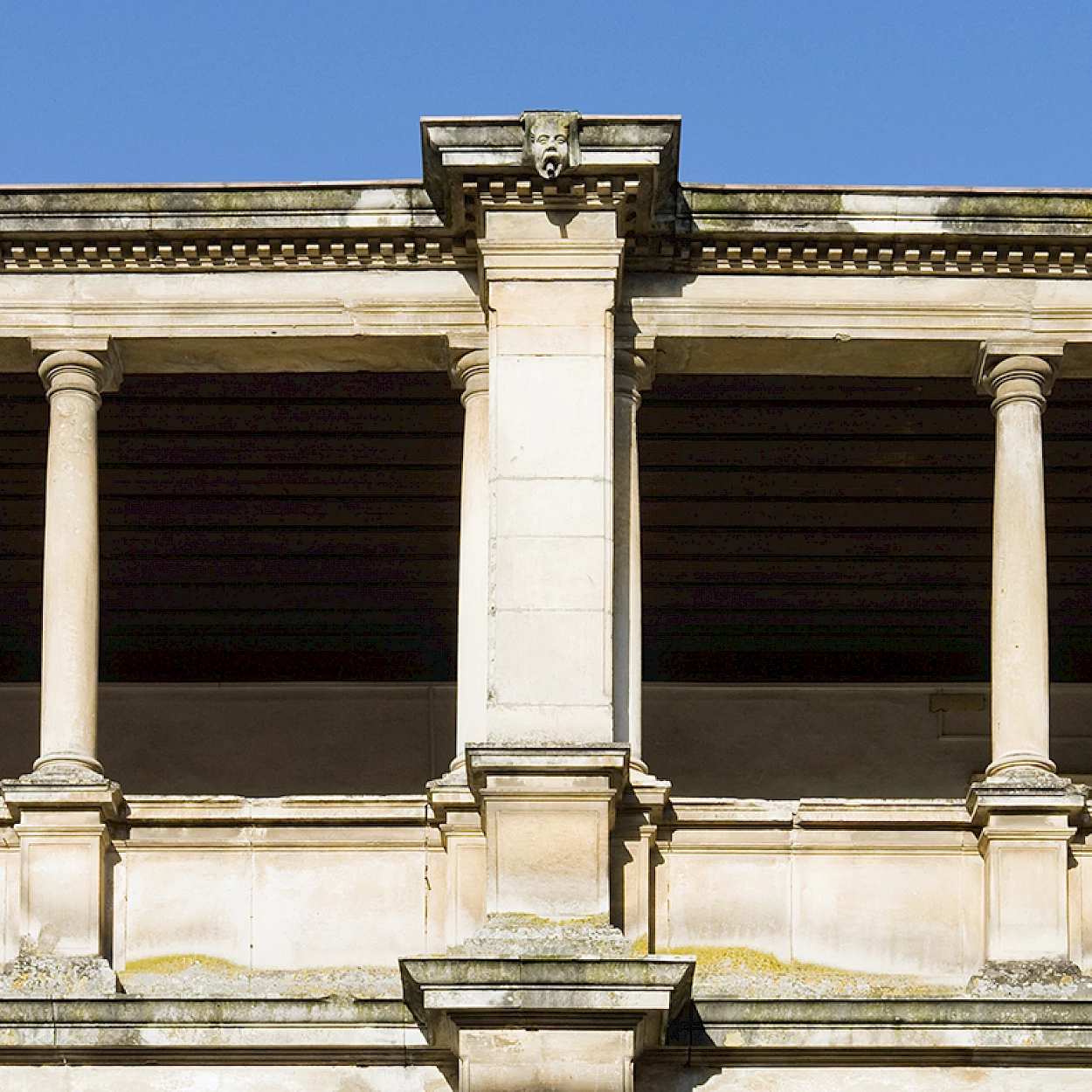
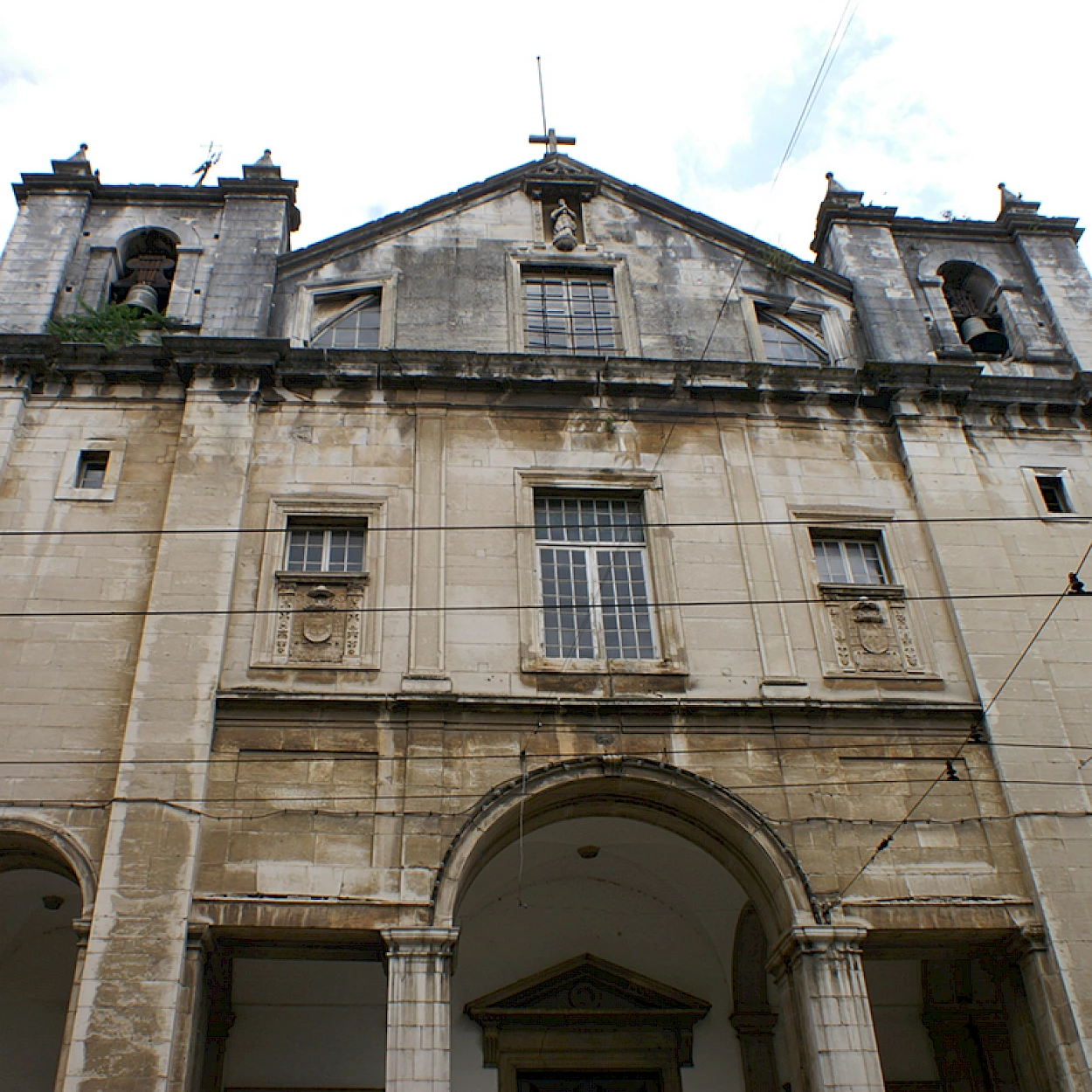
The novitiate was built between 1541 and 1548 to the design of the architect Diogo de Castilho. In 1547 it was donated to the order of the Calced Carmelites and in 1571 it was incorporated into the University. The church and cloister were built between 1597 and 1600. The cloister, around which the main rooms of the College were gathered, has a square plan with a double floor, in classicist style. The ground floor is lined with tile panels depicting scenes from the life of the Prophet Elijah.
In 1837 it was given to the Third Order of St Francis, which began adapting the space into a hospital in 1845. Today, it is still run by the same Order, with its headquarters in Coimbra, and also houses a home for the elderly.
The university colleges
When the University was definitively established in Coimbra in 1537 by order of King João III, the city was endowed with a series of collegiate buildings designed to receive students. Essentially built by different religious orders and bishops, they were a mixture of convent and student residence, with dormitories, refectories, study rooms, cloisters and churches. The first seven buildings in Rua da Sofia were joined by many others in the upper part of the city, totaling 25 in the 18th century.
In 1834, as part of the ‘General Ecclesiastical Reform’, all convents, monasteries, colleges and religious houses of all religious orders were abolished and their assets incorporated into the National Treasury. Many were reused as military barracks, hospitals, railway stations, etc., others were sold at public auction and bought by private individuals. In all cases, the change in functions and uses was radical.