Designation
College of Our Lady of Grace
Current occupation
Combatants' League, Britherhood of Senhor dos Passos, Research centres and 25th of Abril Documentary Centre.
Ownership
University of Coimbra, Brotherhood of Senhor dos Passos, Ministry of Defense
Art-historical characterisation
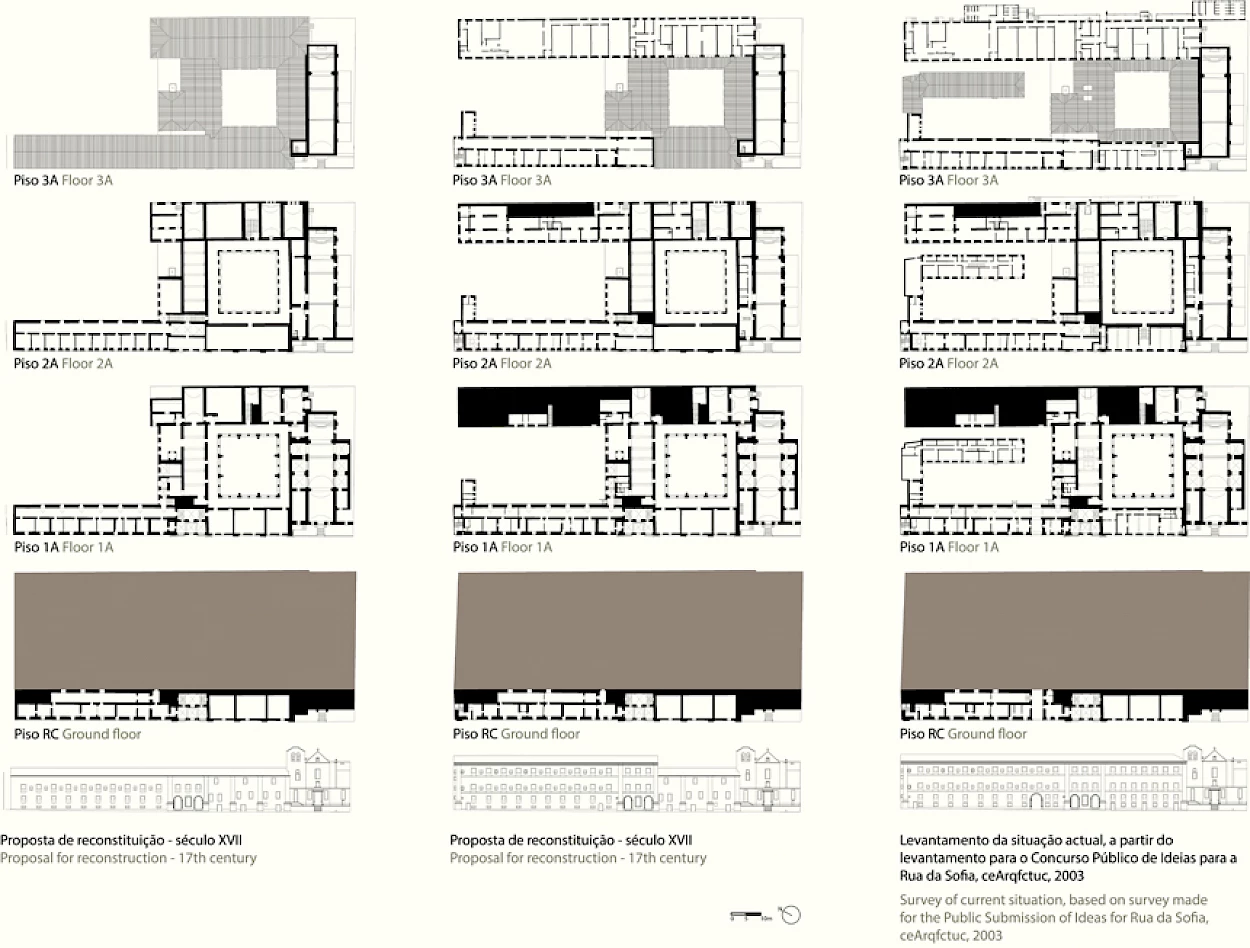
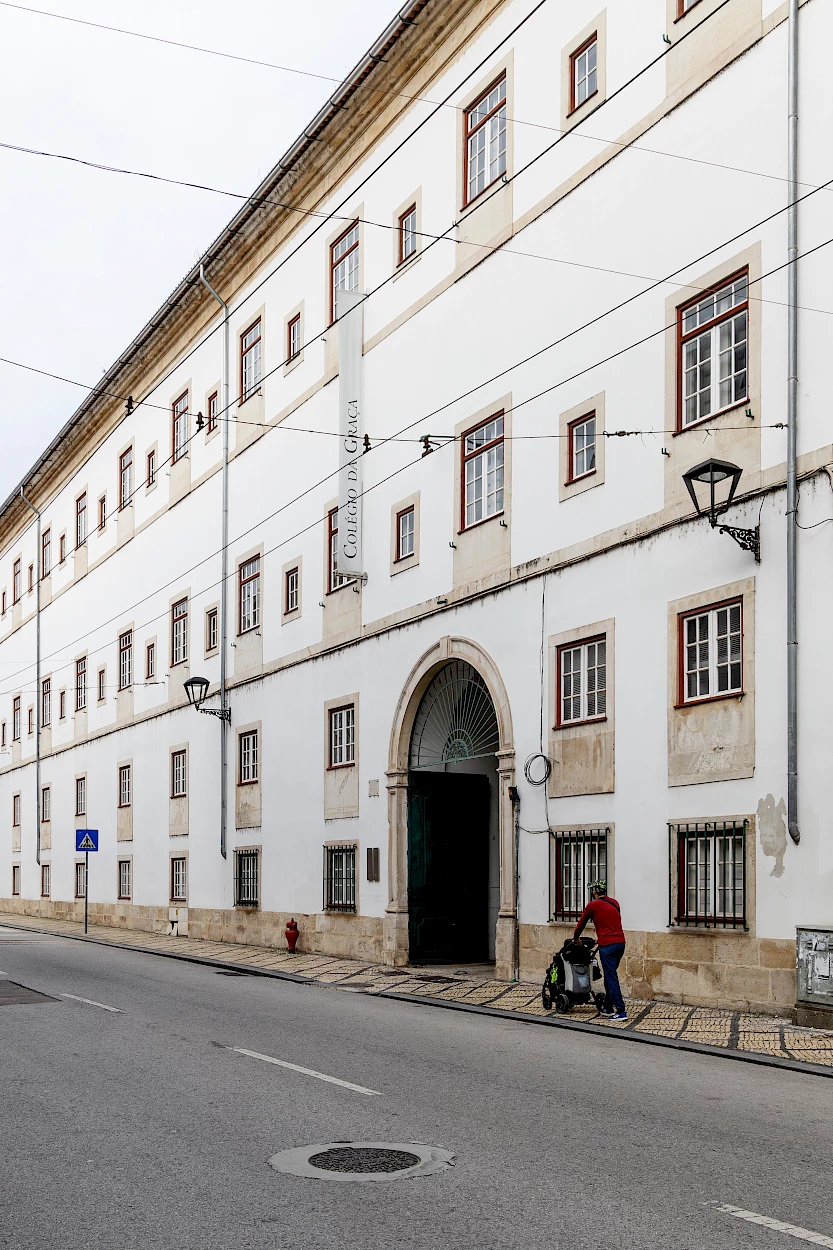
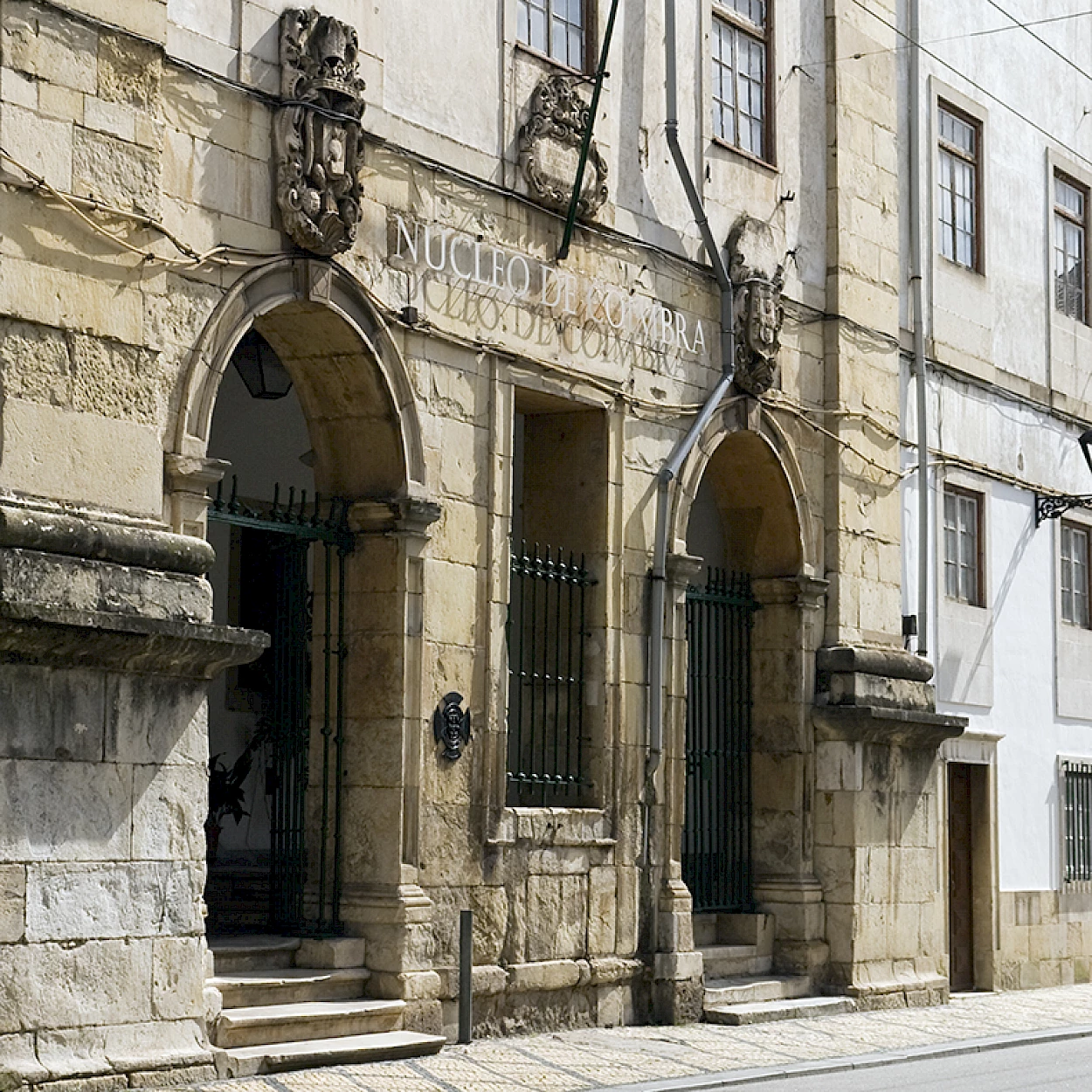
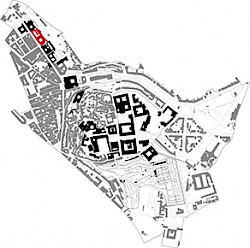
The construction of the Colégio da Graça, one of the many colleges built in Rua da Sofia after the transfer of the University to Coimbra in 1537, began in 1543 and was ready to receive students in 1549. The architect responsible for it´s design and construction was Diogo de Castilho, a leading name in Coimbra Renaissance architecture.
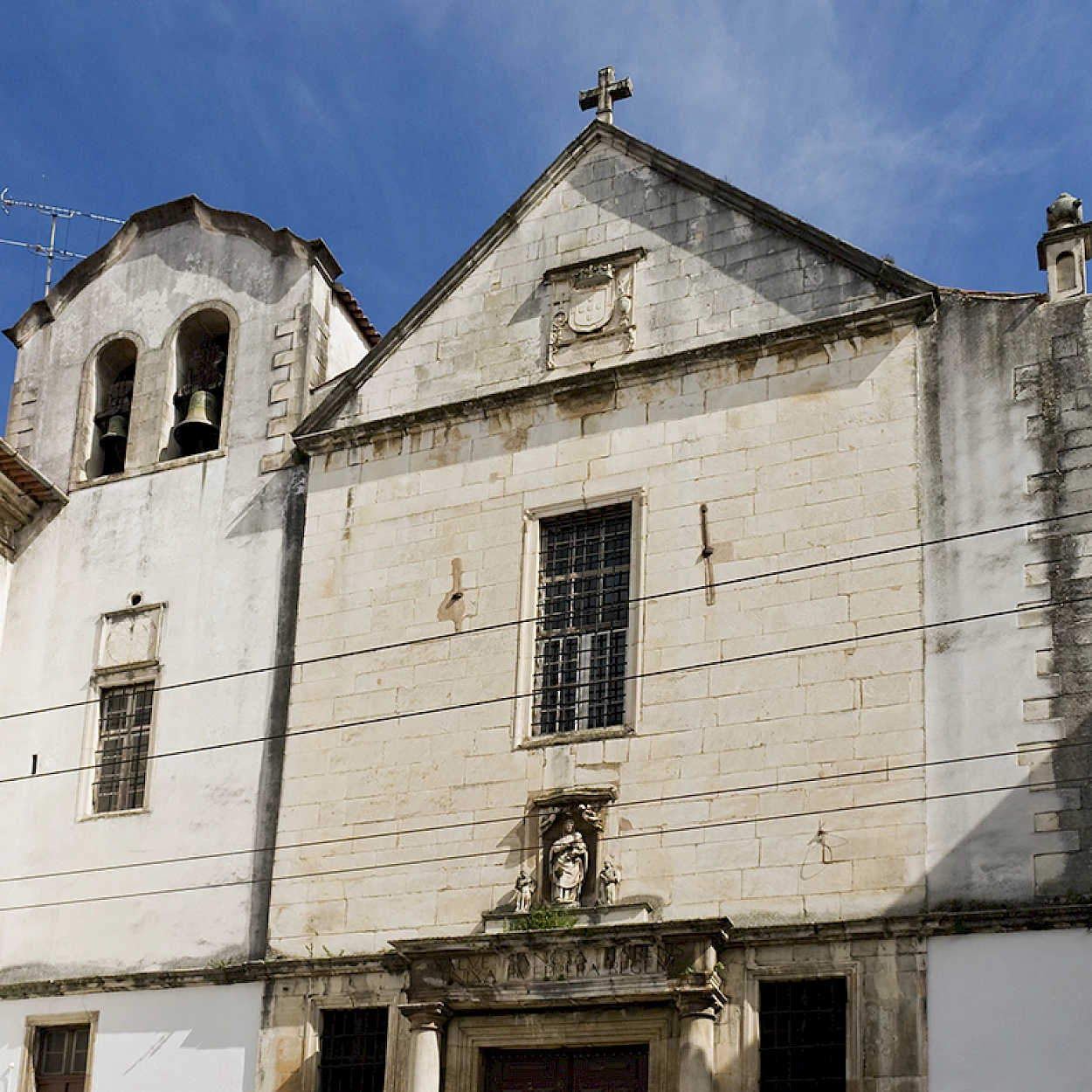
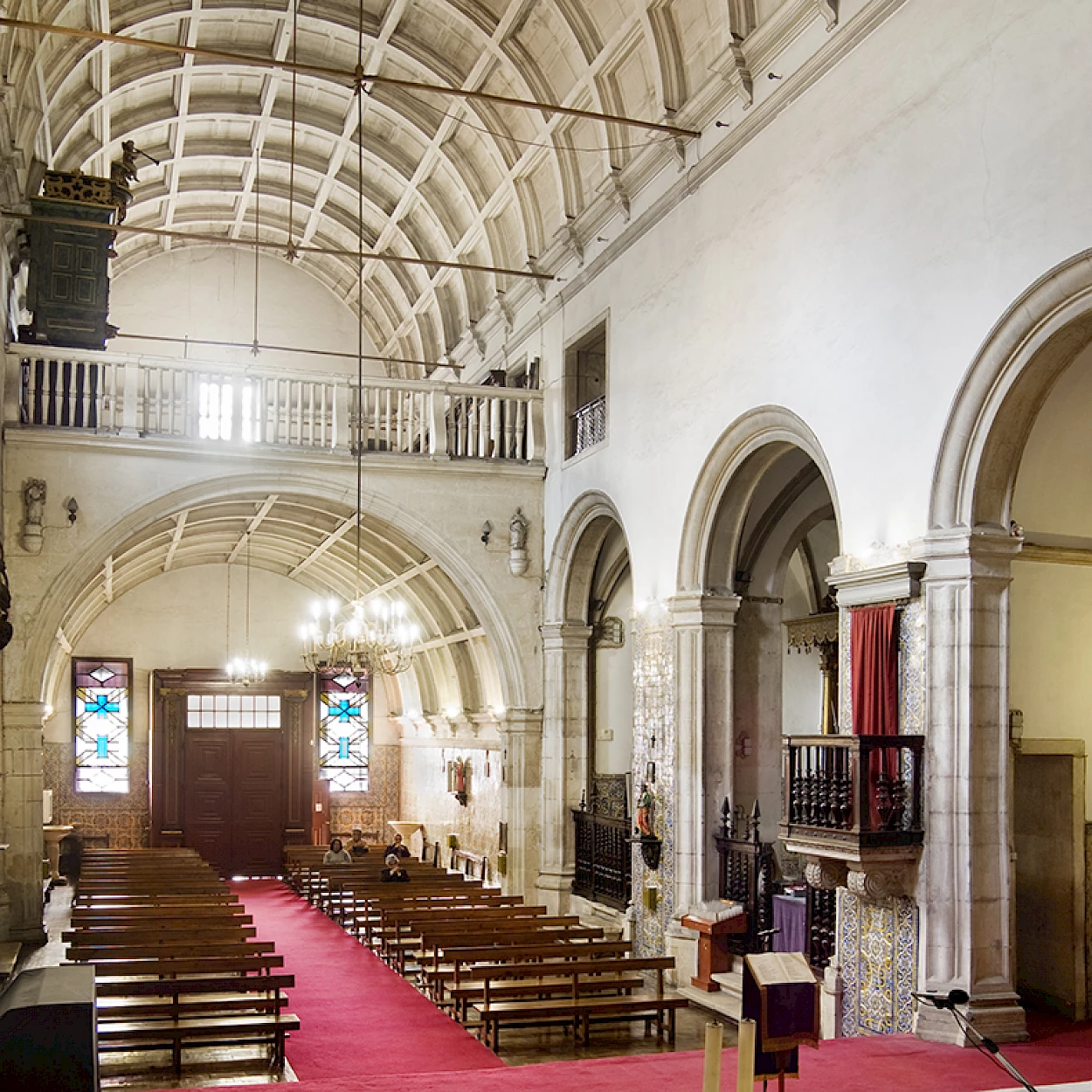
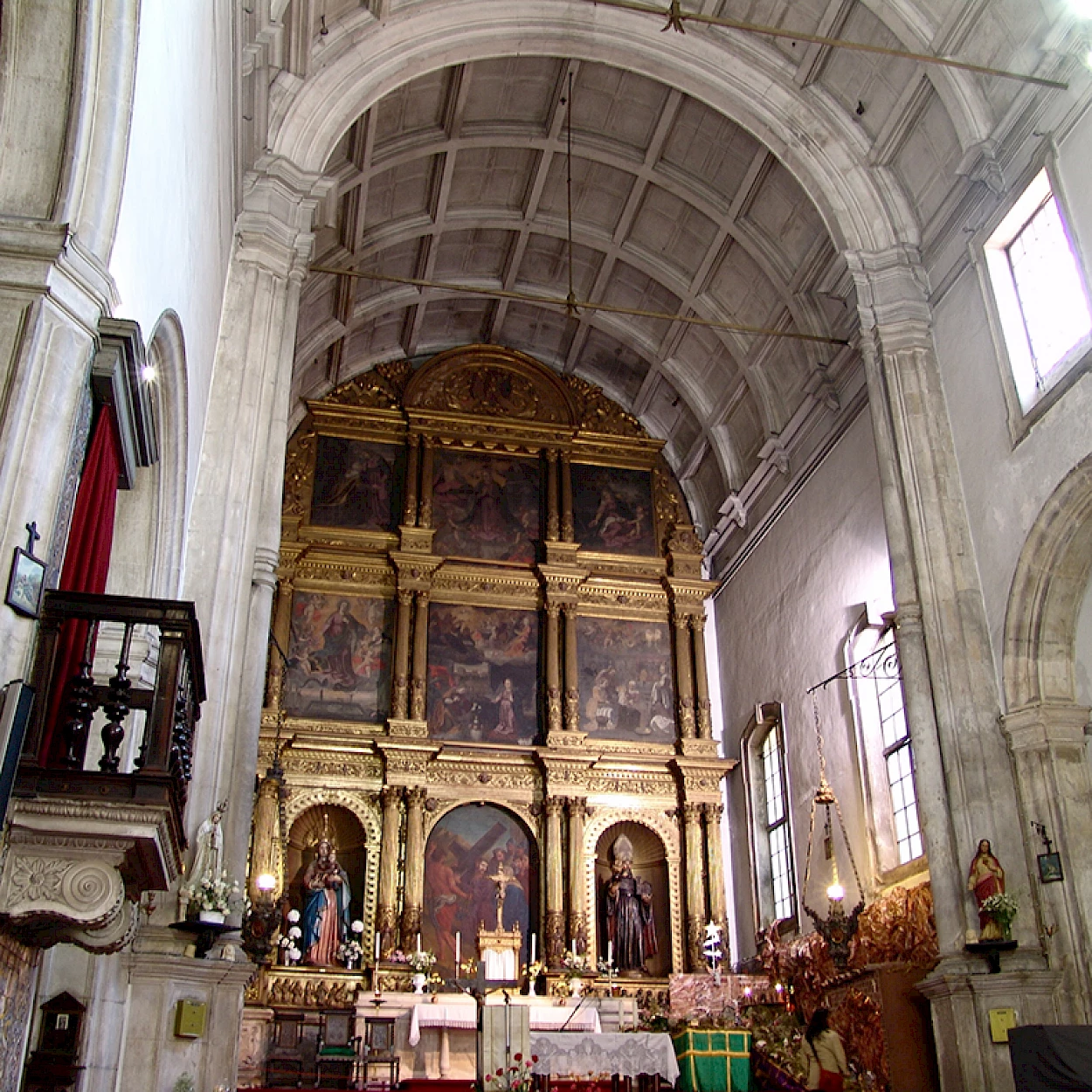
It is one of the few colleges on Rua da Sofia that is still well preserved and is one of the best examples of 16th century collegiate architecture. The church, with its strong classical features, has a single nave with intercommunicating side chapels. In the cloister, a vital element for community life, the Ionic-inspired capitals stand out, characteristic of Diogo de Castilho's style.
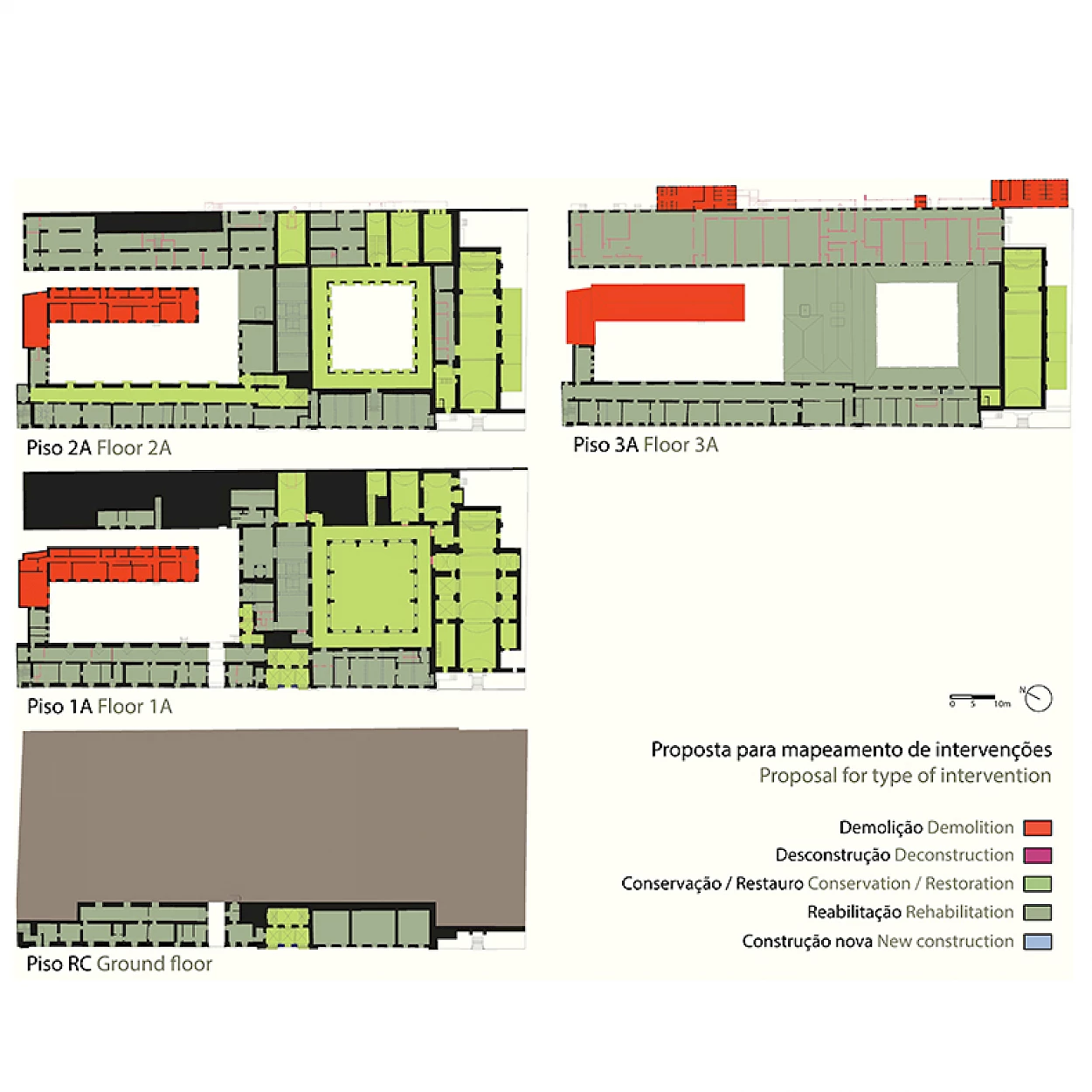
In 1834, the college was nationalised and incorporated into the National Treasury. Shortly afterwards, in 1836, it was handed over by the Coimbra City Council to the army, which set up, in the college, accommodation for its soldiers, along with a social support institution and other public divisions. After the military accommodation ceased to exist in 1998, the building was occupied by the Combatants’ League and some of the armed forces’ social and administrative services.
The College of Our Lady of Grace now houses part of the Centre for Social Studies of the University of Coimbra (CES), the 25th of April Documentary Centre, the Combatants' League, which belongs to the Ministry of Defence, and the Brotherhood of Senhor dos Passos.
The university colleges
When the University was definitively established in Coimbra in 1537 by order of King João III, the city was endowed with a series of collegiate buildings designed to receive students. Essentially built by different religious orders and bishops, they were a mixture of convent and student residence, with dormitories, refectories, study rooms, cloisters and churches. The first seven buildings in Rua da Sofia were joined by many others in the upper part of the city, totaling 25 in the 18th century.
In 1834, as part of the ‘General Ecclesiastical Reform’, all convents, monasteries, colleges and religious houses of all religious orders were abolished and their assets incorporated into the National Treasury. Many were reused as military barracks, hospitals, railway stations, etc., others were sold at public auction and bought by private individuals. In all cases, the change in functions and uses was radical.