Designation
Monastery of Santa Cruz
Current occupation
Church, museum, City Council and Centre's Gneral Directorate for Culture
Ownership
Coimbra's City Council and Diocese of Coimbra
Art-historical characterisation
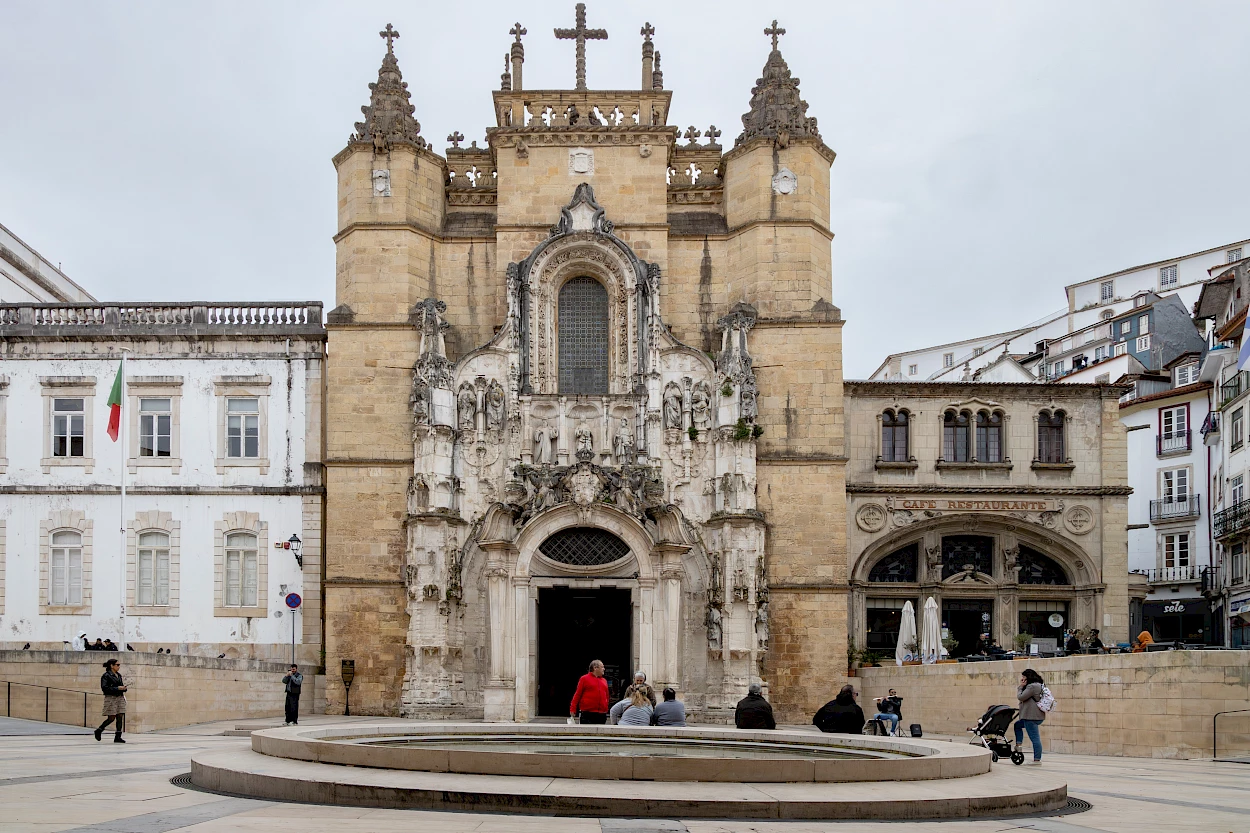
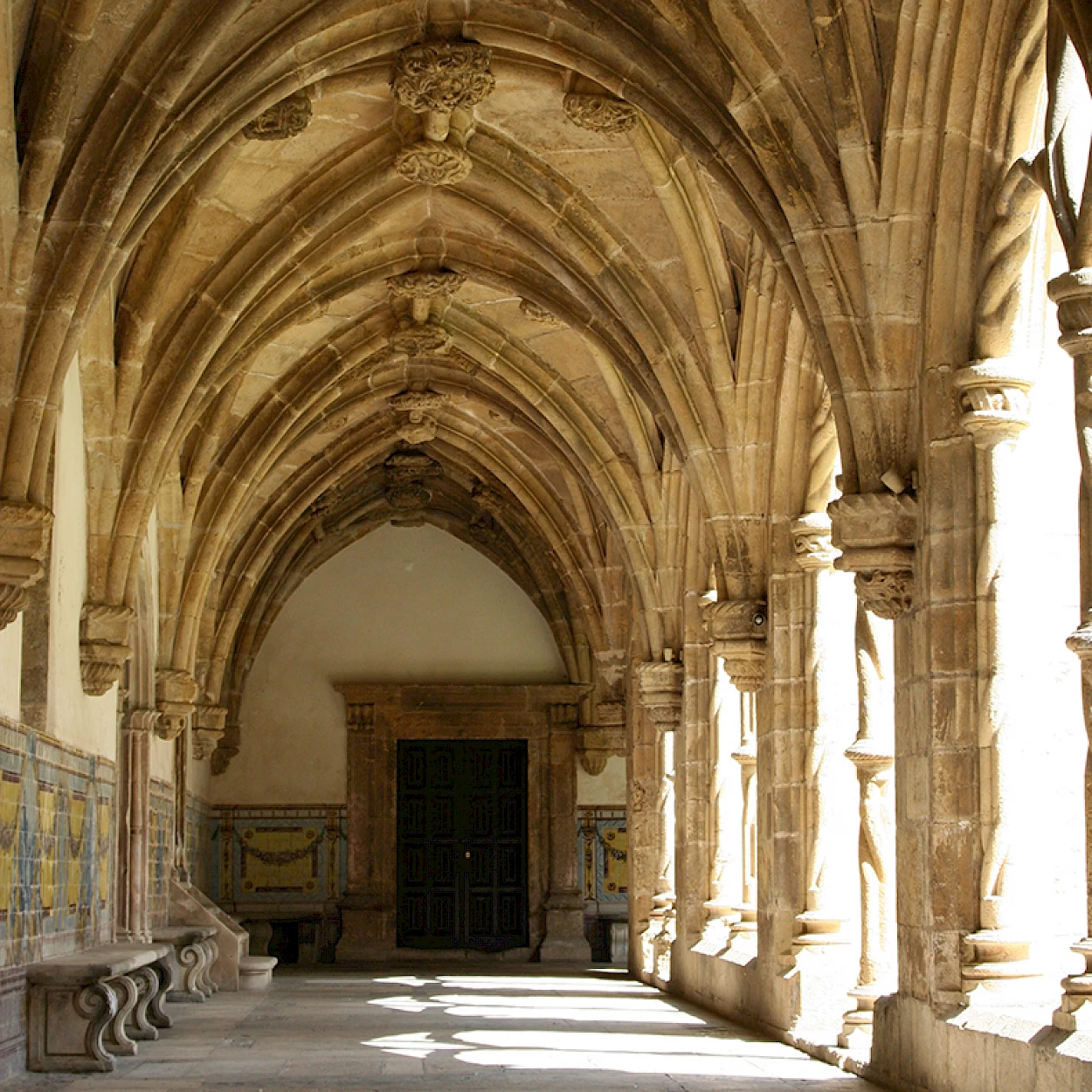
The Monastery of Santa Cruz was founded in 1131 by the Order of the Canons Regular of Saint Augustine, with the help of King Afonso Henriques, the first king of Portugal, who installed his archives and chancellery there, found the diplomatic support necessary for the process of autonomisation of the kingdom and, finally, chose it as place of burial. Little remains of its original Romanesque configuration, since at the beginning of the 16th century King Manuel I ordered a major remodelling campaign, which is responsible for its current appearance.
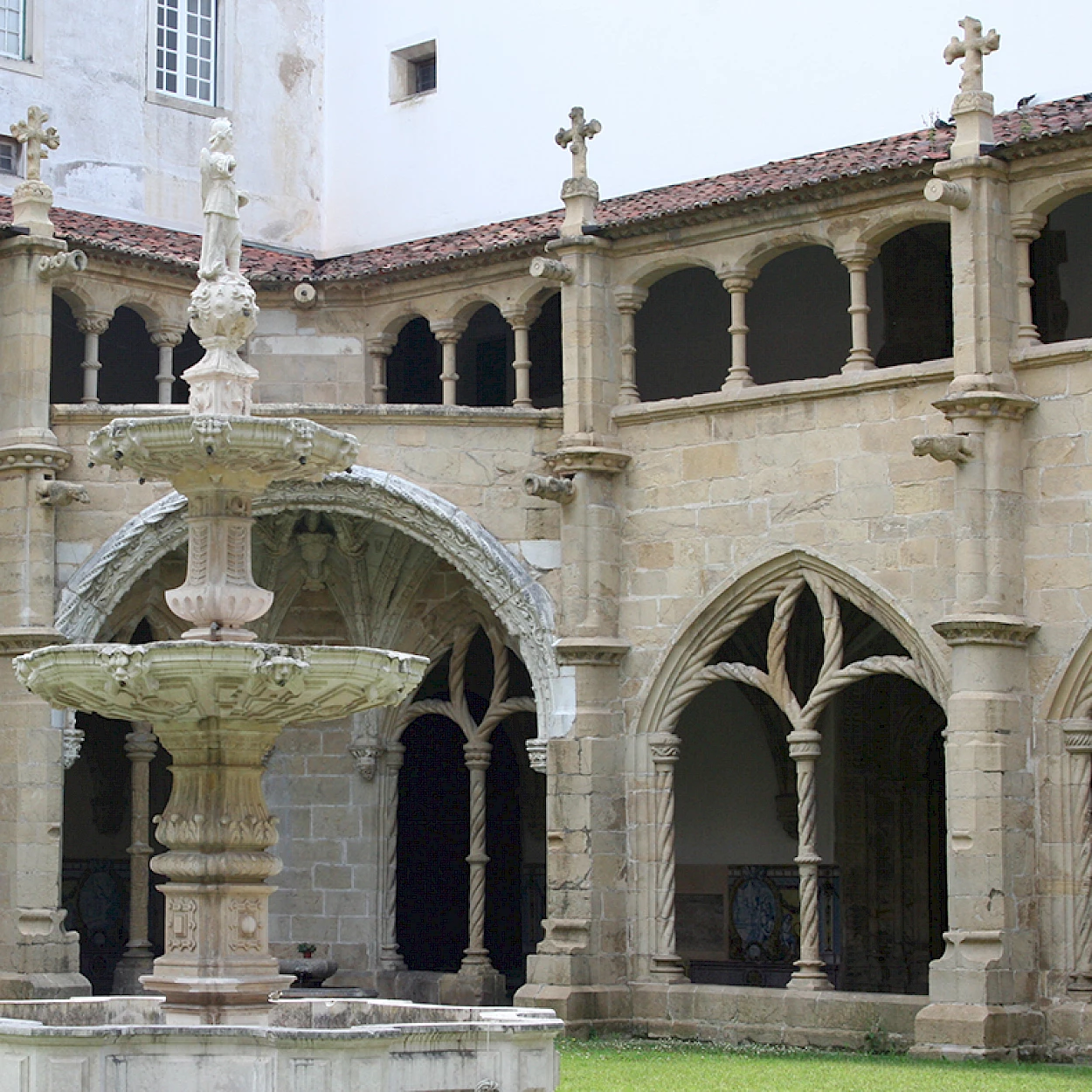
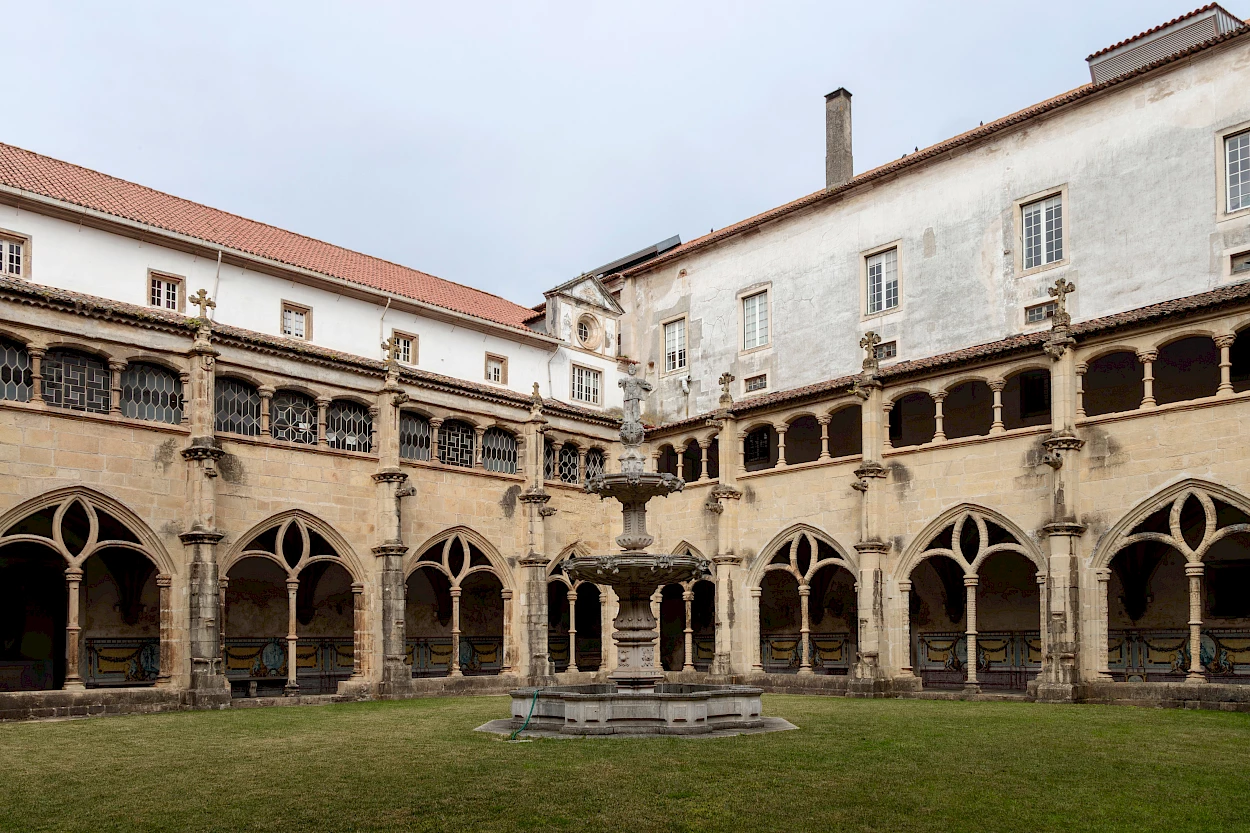
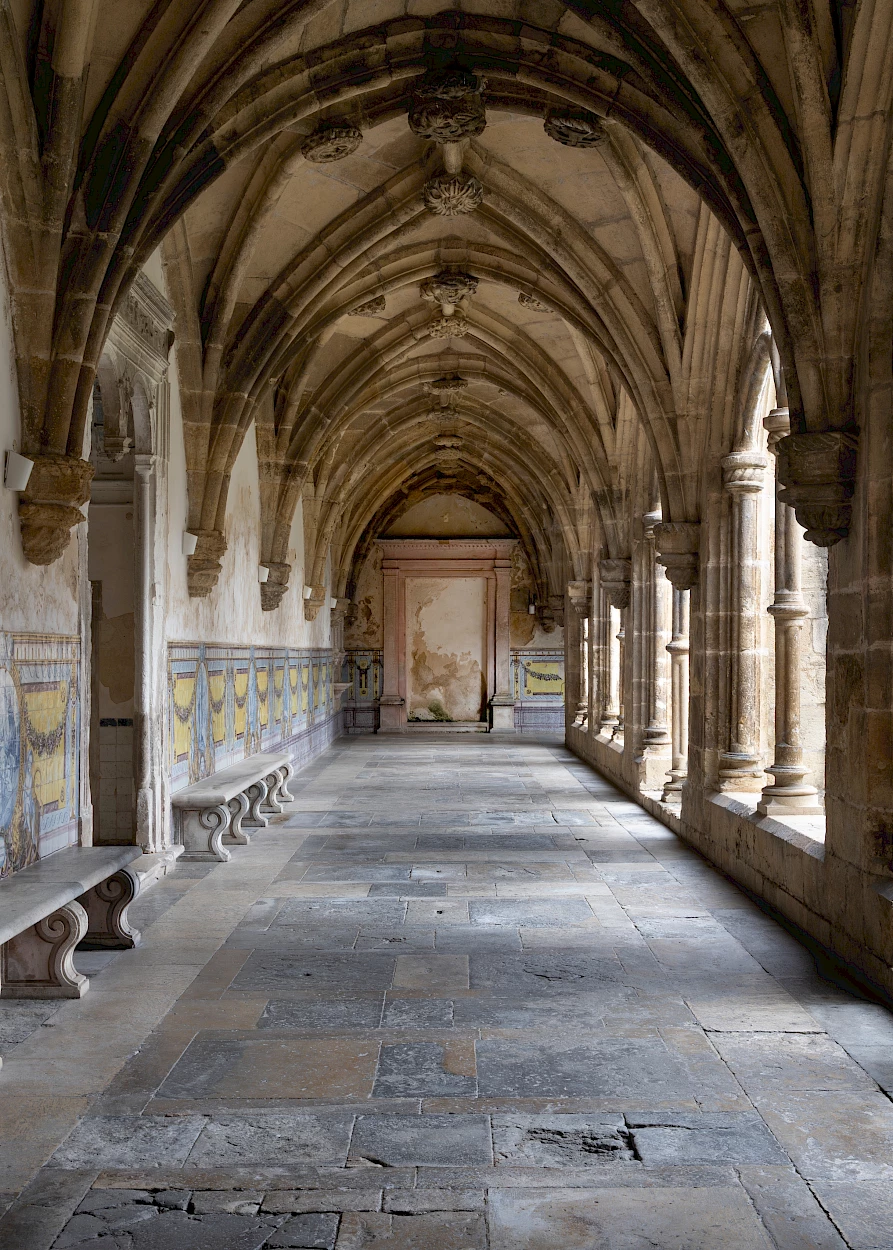
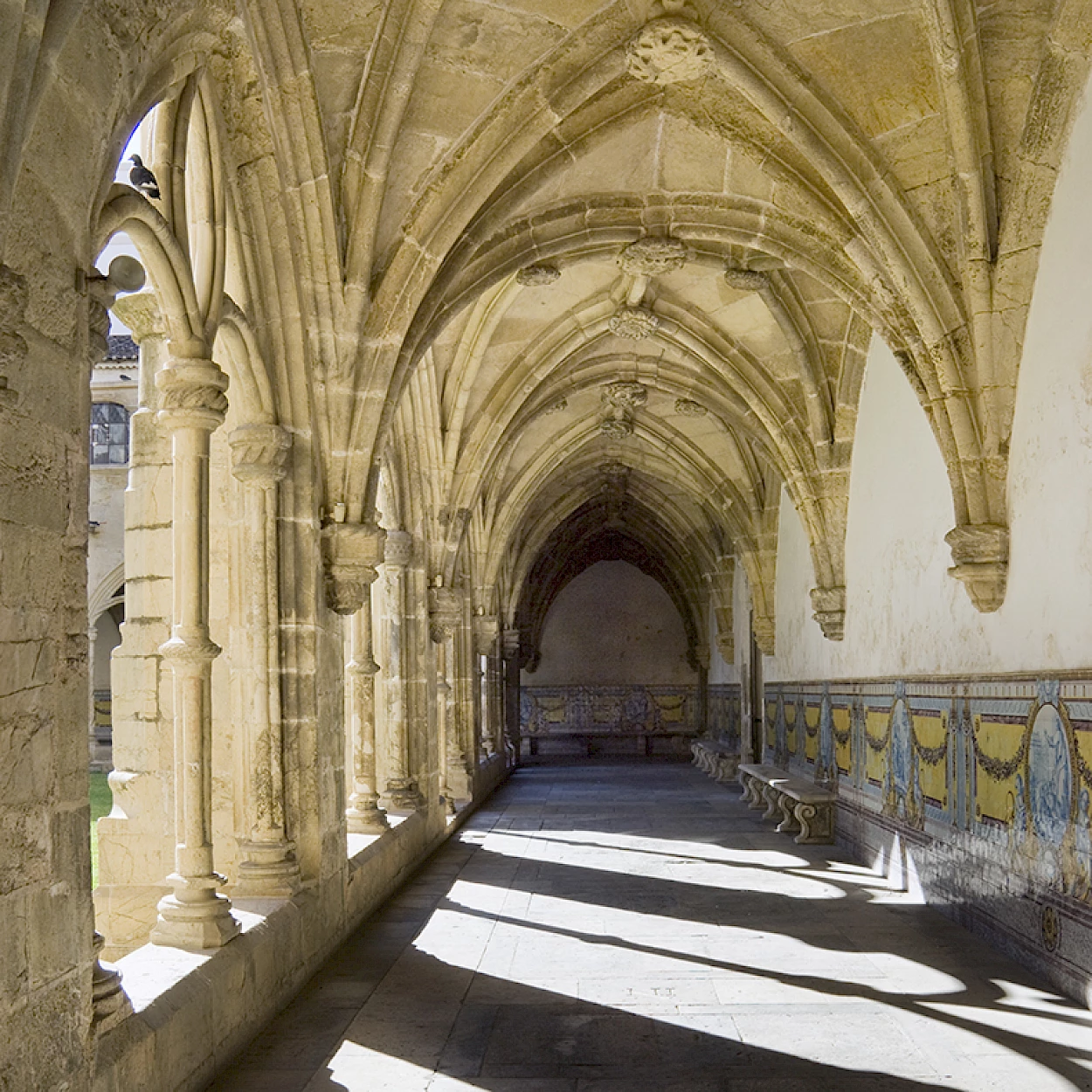
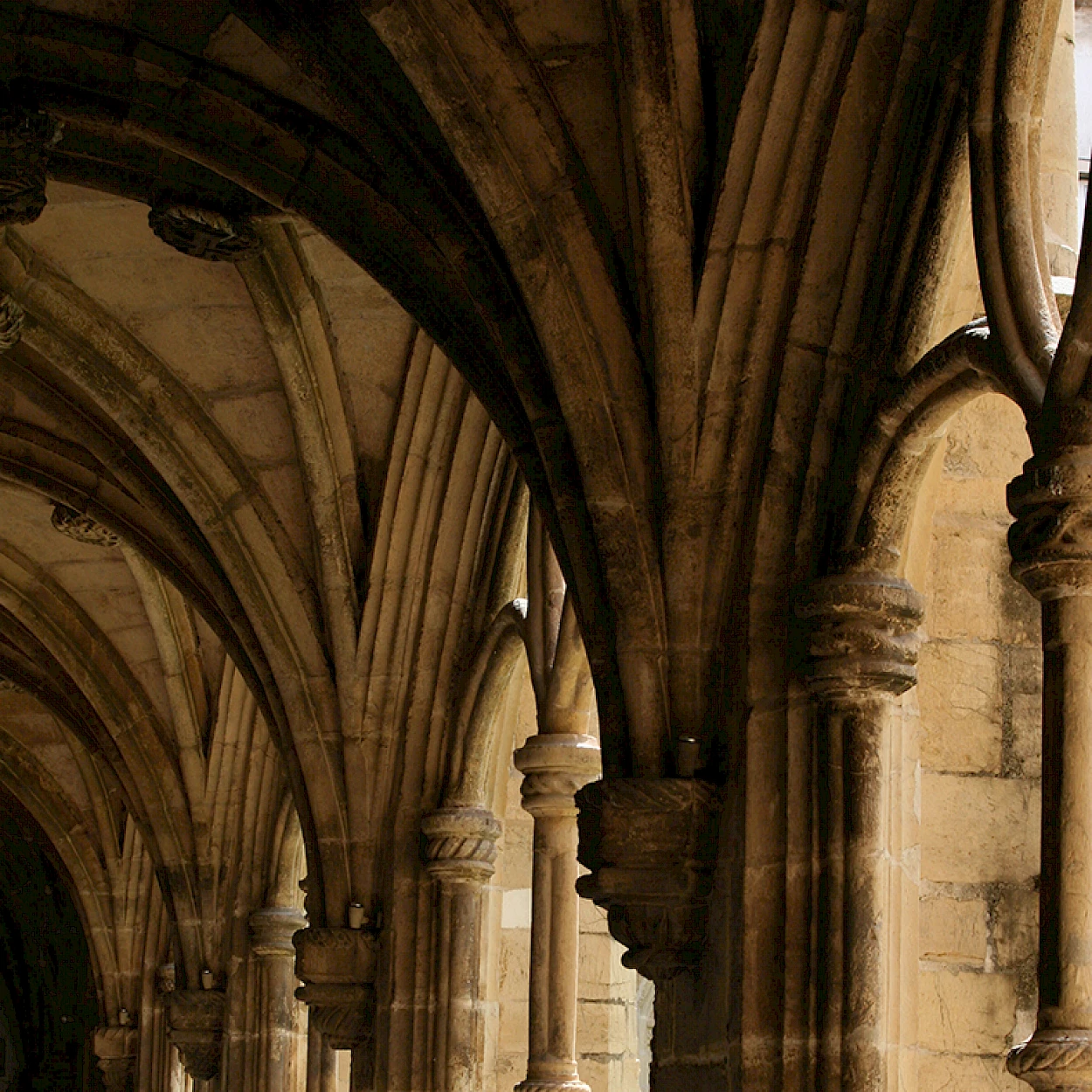
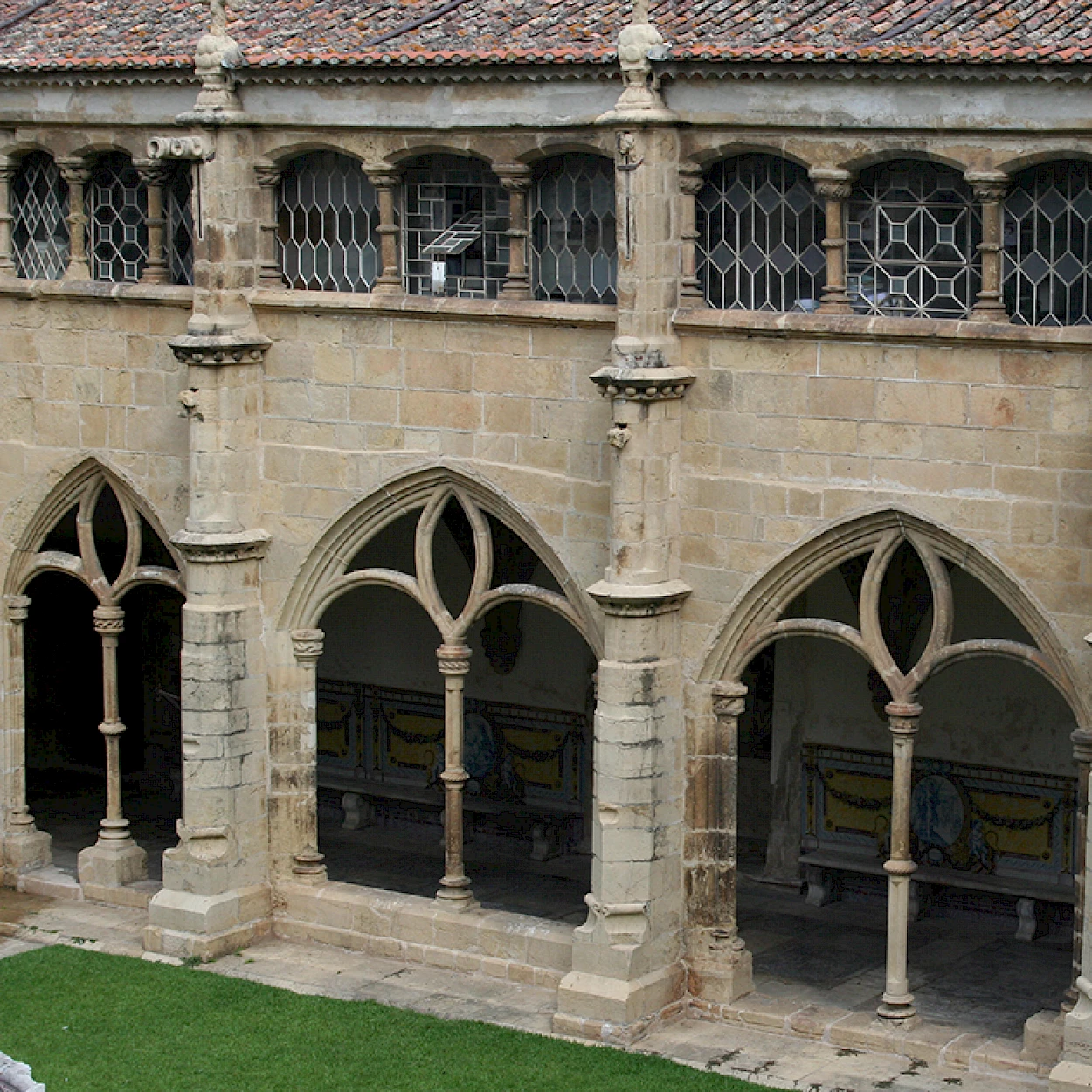
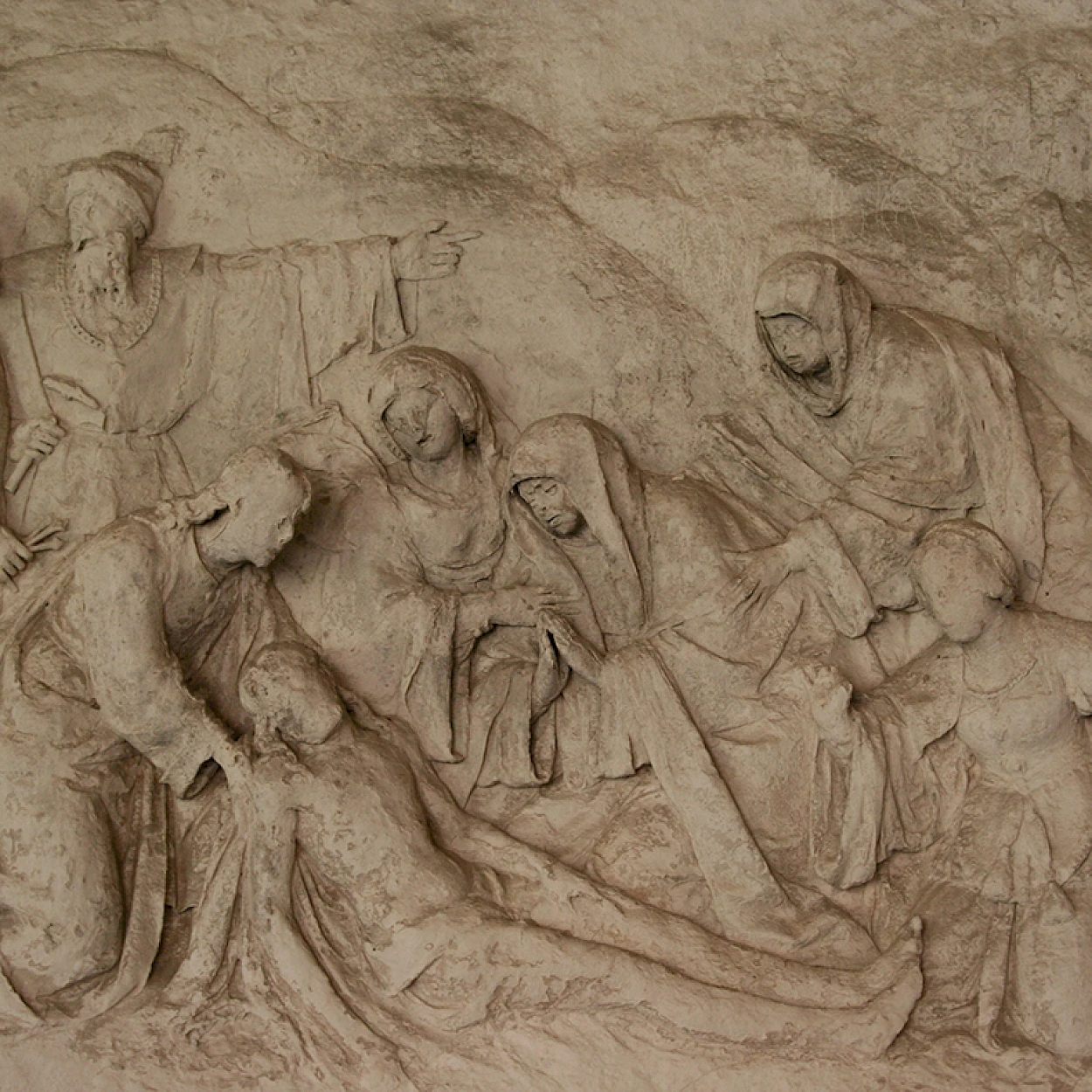
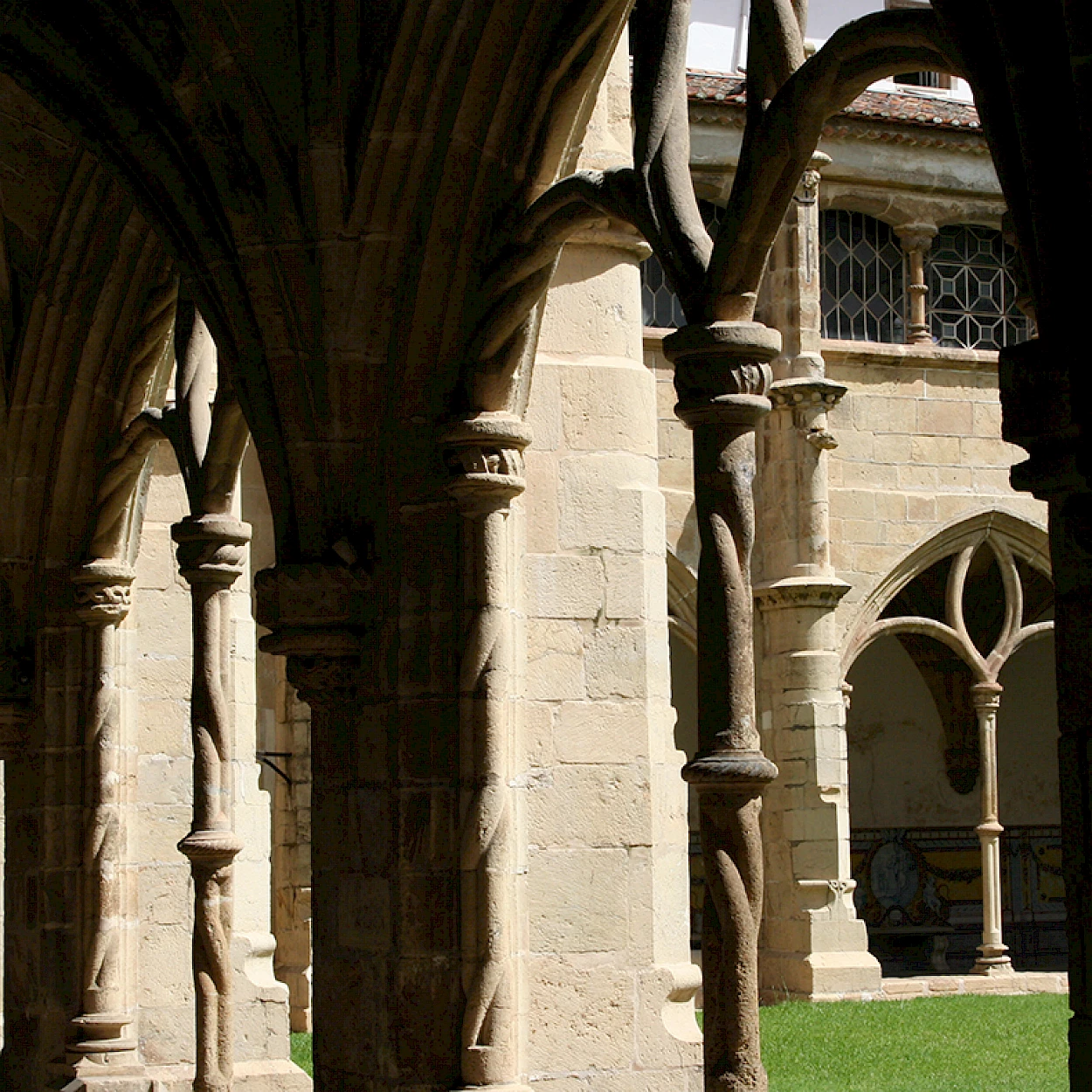
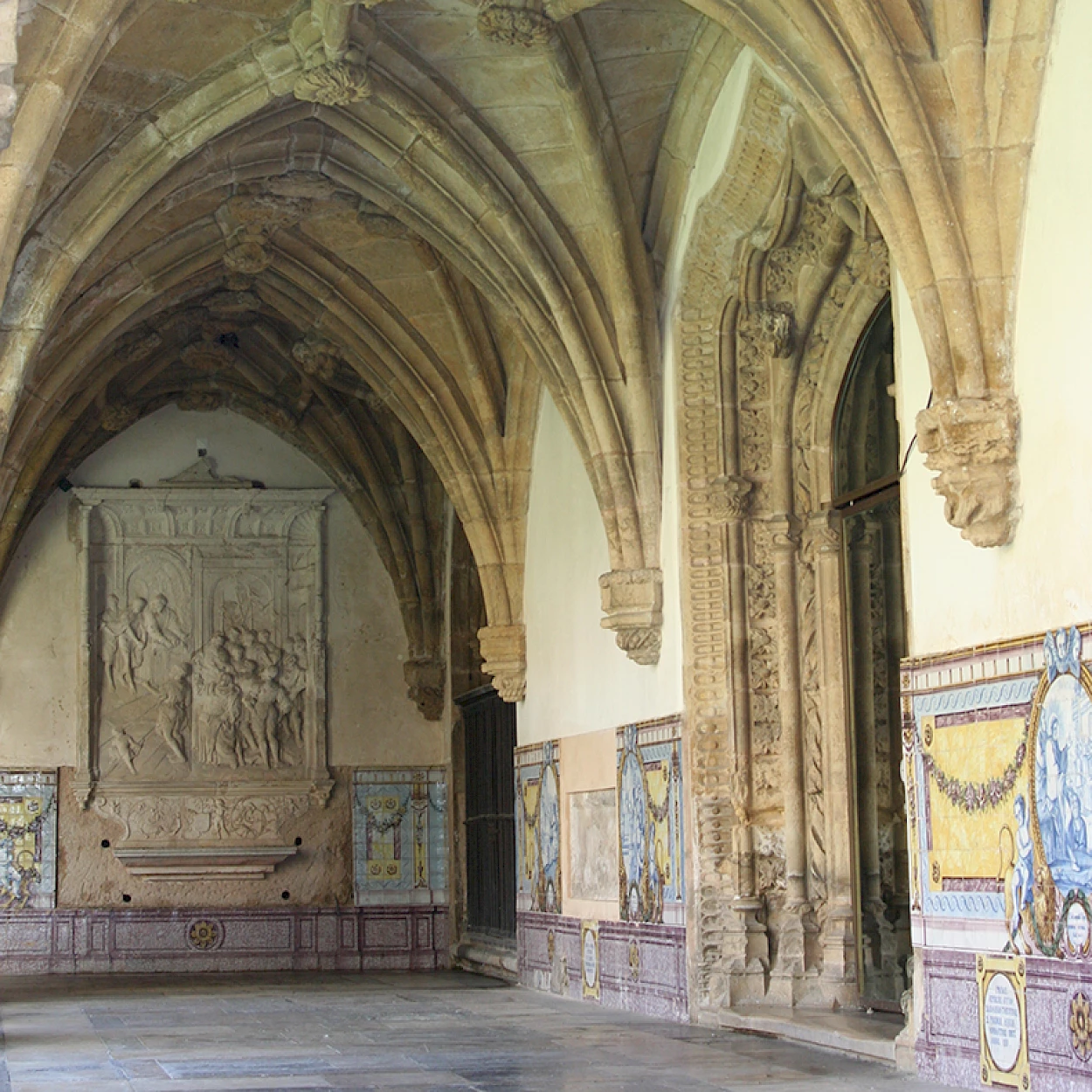
This endeavour involved the best artists in the kingdom, such as Diogo de Boytac, Marcos Pires, Diogo de Castilho or João de Ruão, and a new church was built with a vaulted nave, the two towers that flank the façade, the imposing portal, the main cloister and the chapter room. At the same time, the old sarcophagi of the first kings of Portugal were renovated, replaced by new tombs that are abundantly carved and, in whose chests, lay down the impressive sculptures of D. Afonso Henriques and his son, D. Sancho I, by Nicolau de Chanterene, one of the most important Renaissance artists in Portugal, who was also responsible for the pulpit located in the nave of the church.
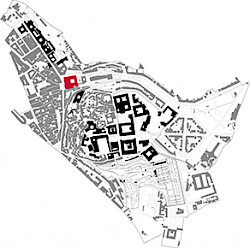
The profound reform undergone by the congregation in 1528 led to various other works, most notably the new and unusual Manga Cloister to the north-west of the church. After 1834, with the extinction of the religious orders, the vast patrimony of the Monastery of Santa Cruz, which occupied the entire urban strip from the church to the Jardim da Sereia, was divided up and handed over to various institutions with multiple uses. In the 19th century, to allow the opening of the Sá da Bandeira avenue, some structures located to the north were destroyed, as well as the north wing of the Manga Cloister. Nowadays, in addition to cultural and religious activities, the monastery's former centre houses municipal services and the Centre's General Directorate for Culture.
For more informations please check the Information System for the Architetonic Heritage's website