


Printed and Stretchable Electronics
KEYWORDS: Bioelectronics, Biomonitoring, Conductive Ink, E-Health, Electrophysiology, Epidermal Electronics, Flexible Electronics, Iomt, Stretchable, Stretchable Electronics, Stretchable Circuits, Wearables, Wearable Monitoring.
STATE OF THE ART
In the last few years, wearable devices were proposed for long-term and continuous electrophysiological monitoring. This includes both e-textiles or ultrathin adhesive e-skins for the recording of biopotentials. However, compared to conventional gel electrodes, the previously proposed wearables suffer from a lower skin-conformance, a higher electrode-skin impedance, and thus a lower signal quality.
We propose a novel architecture of materials and methods for implementation of thin-film multielectrode adhesive patches for long-term and reliable monitoring of electrophysiological signals and digital biomarkers.
VALUE PROPOSITION
Unlike other existing wearable patches, this solution can be worn for more than a week, and is not affected by daily routines such as physical exercise or taking bath. A patented conductive ink is used as the electrodes which allows combining advantages of dry electrodes, i.e., printability and non-smearing behavior, with benefits of wet electrodes, i.e., high-quality signal comparable to that of Ag/AgCl.
Since the biosticker has mechanical properties similar to the human skin, comfort for the patient as well as signal quality are improved.
Digital printing-based fabrication enables autonomous implementation of biostickers that are low-cost, and patient/application-specific. A universal miniaturized electronic system for biopotential acquisition through the biosticker and wireless communication is as well part of the system, and was already demonstrated in acquisition of ECG, EOG, EMG, and EEG.
Advantages |
|
Mechanical properties similar to those of the human epidermis leading to better conformability and improved comfort for the patient. |
|
Possibility of multi-parameter monitoring (ECG, EEG, EMG, EOG) in various body locations. |
|
Scalable fabrication through electronics printing methods enables patient and application specific biostickers. |
|
Possibility of integration in existing medical films, wound-dressings and textiles. |
|
Signal quality comparable to that of clinical systems. |
|
Fully wireless functionality that enables centralized remote acquisition of electrophysiological data. |
|
Water, sweat, and abrasion resistance with minimal impact in user’s daily routines. |
|
Our software and centralized acquisition setup enables fast integration in existing clinical software ecosystem for deployment in hospitals. |
Applications |
|
Electrophysiology monitoring in ambulatory settings. |
|
Long-term cable free monitoring of users. |
|
Patient monitoring in the emergency room. |
|
Patient monitoring in emergency settings out of medical facilities and during transport. |
|
Rehabilitation through serious games with biofeedback. |
|
Digital and Personalized Heath programs. |
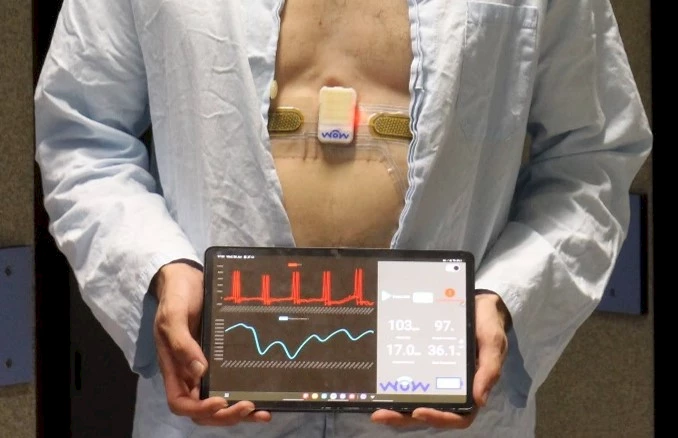
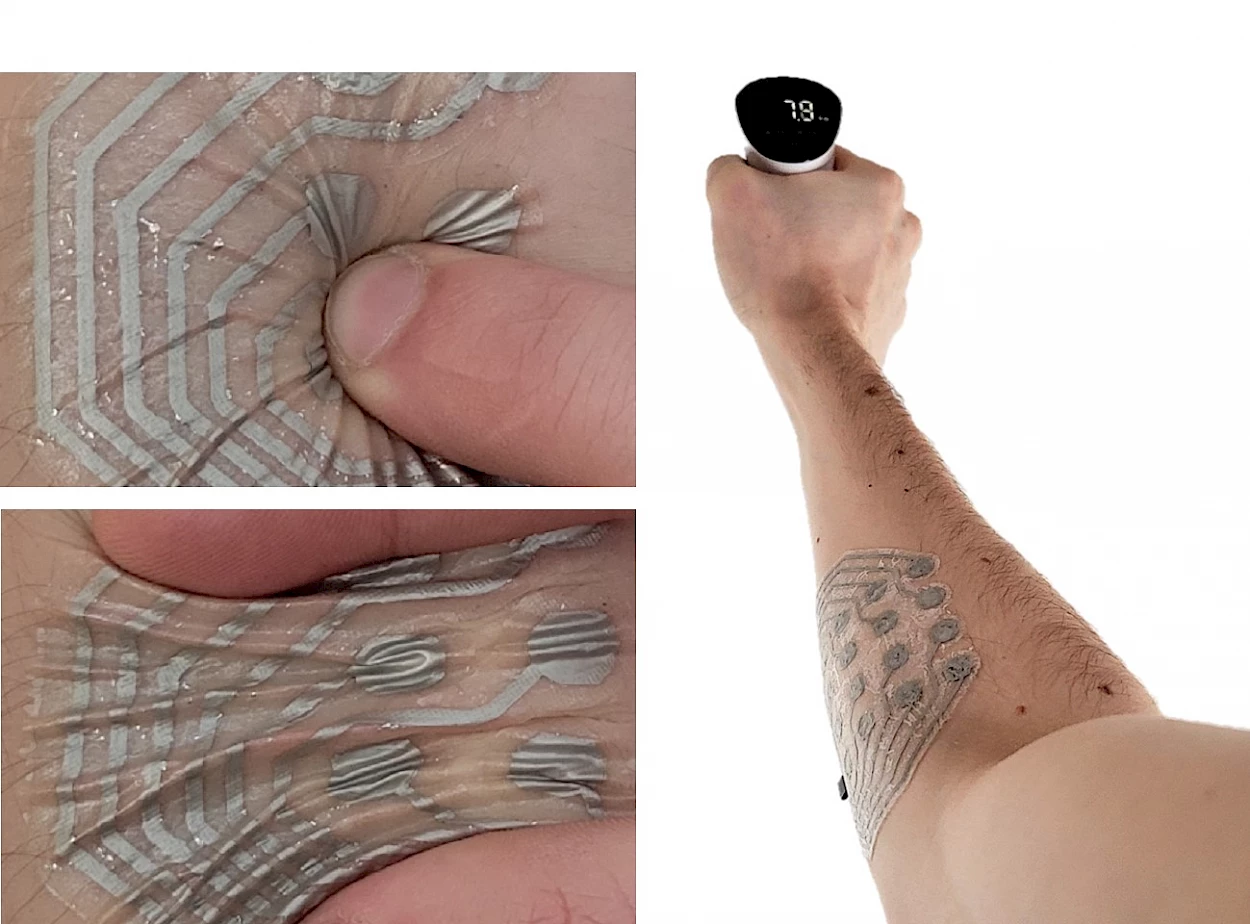
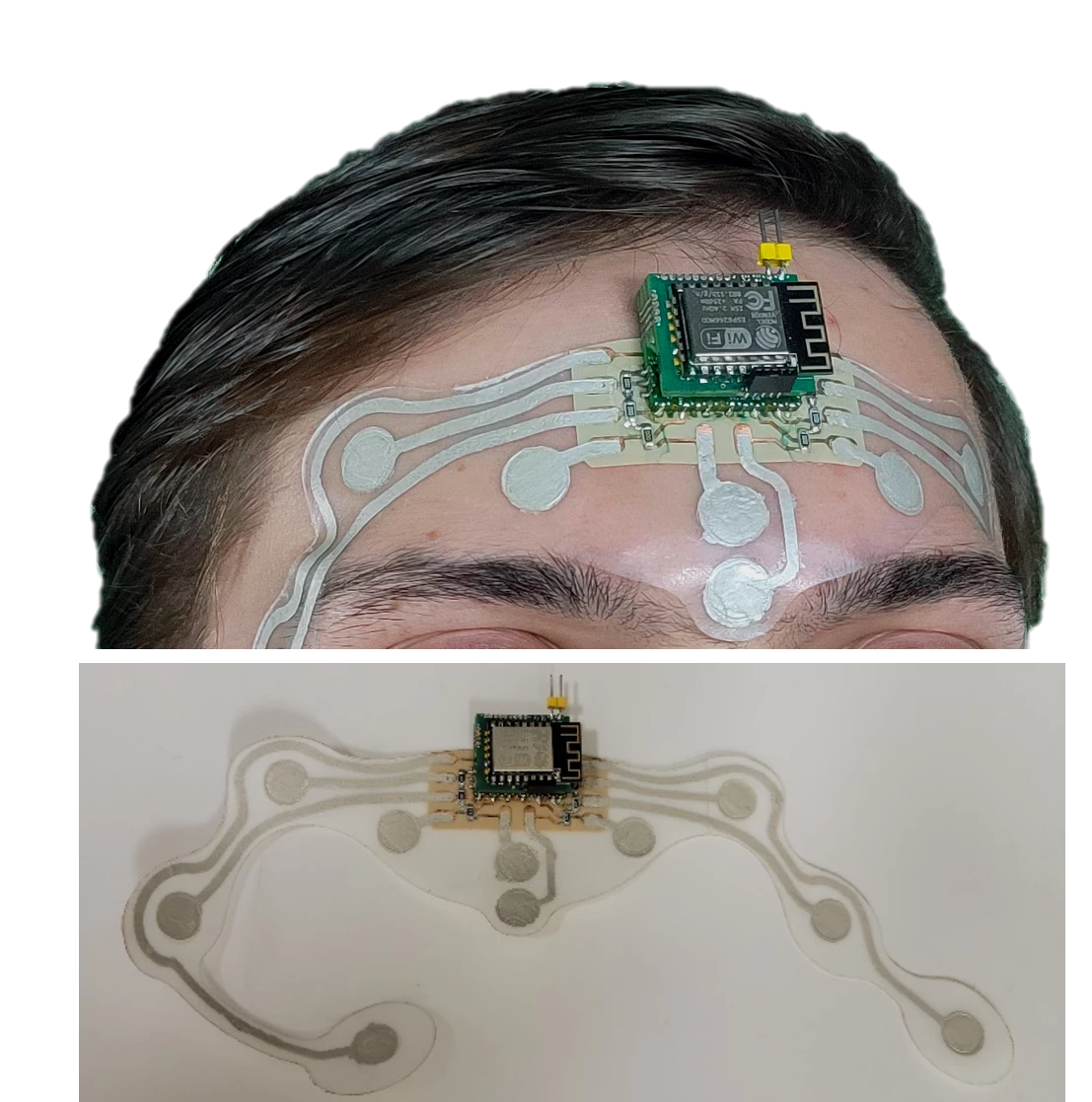
Examples of Applications in health, through wearable biostickers and printed batteries (top), and e-textile imaging (buttom), using the ink and fabrication technology based on printing.
Este conteúdo é reproduzido a partir de uma fonte externa e não está disponível porque os cookies não foram aceites.
Eis o que pode fazer:
STAGE OF DEVELOPMENT: TRL 4
IPR LEGAL STATUS: KR1020230148813, EP4298872 and US18547852
OWNERSHIP: The rights to the technology are held by the University of Coimbra and the Carnegie Mellon University (USA)
COLLABORATION SOUGHT: The University of Coimbra is seeking partners interested in further validating and developing the technology under a collaboration and license agreement or acquiring the existing rights.
FUNDING: CMU-Portugal project WoW (45913)